Arizona’s sunny climate makes it a golfer’s paradise, offering low humidity and a multitude of courses that stay open all year. But the desert’s native wildlife can add an unexpected twist to a round of golf.
Social‑media golfer meets desert mammals
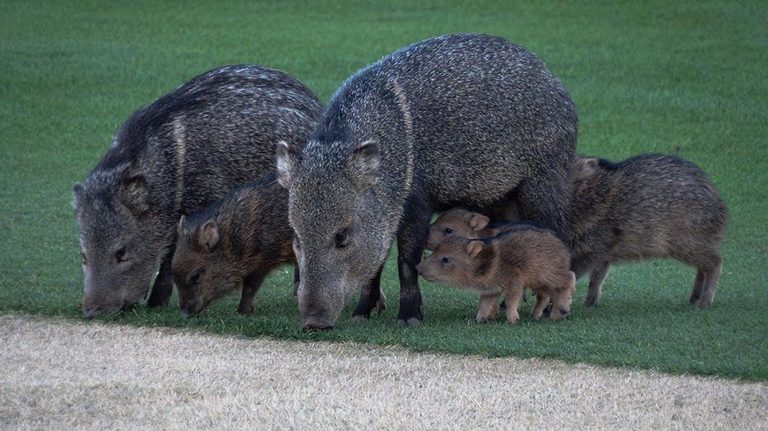
Mike Rodenbush, known online as Mikey TeeTimes, posted a video that quickly went viral after a herd of javelinas appeared on his course. While filming his usual golf content, the resilient desert mammals—found throughout Arizona, New Mexico, and Texas—wandered onto the cart path and into the surrounding woods.
Rodenbush said the animals showed no interest in the game itself; they simply moved across the fairway before disappearing into the scrub. “I’d never seen javelinas up close before,” he told his followers, noting that the encounter was more curious than disruptive.
Course managers adapt to wildlife
Golf courses in the Southwest have long dealt with wildlife interactions. In 2023, Seven Canyons Golf Club experimented with chili oil to deter javelinas from foraging on the greens. General manager Dave Bisbee explained that a prior attempt using coyote urine had failed, prompting the club to try the spicy alternative.
“We’re still trying to figure out the right formulation in the chili oil we put out. It’s a delicate thing for the grass,” Bisbee said, according to an Associated Press report. “It’s a continuing dance we do.” The club’s efforts illustrate how course operators balance preserving the natural environment with protecting the playing surface.
When wildlife causes damage
While Rodenbush’s herd left the turf untouched, other incidents have been less benign. A hotter‑than‑normal summer a few years ago reportedly led to increased damage at a northern Arizona course, as javelinas foraged more aggressively for food. Such episodes remind golfers and course staff that coexistence with desert fauna requires ongoing vigilance.
Course managers often employ a mix of deterrents—ranging from scent‑based products to physical barriers—to keep the grass in good condition without harming the animals. The goal is to maintain a safe, enjoyable experience for players while respecting the region’s wildlife.
What this means for Arizona golfers
For most players, an occasional wildlife sighting adds a memorable element to a round. The state’s year‑round golfing appeal remains strong, and encounters like Rodenbush’s are a reminder of the unique character of Arizona’s desert courses.
Golfers are encouraged to stay aware of their surroundings, respect the animals’ space, and follow any posted guidelines from course staff. By doing so, they help ensure that both the sport and the desert ecosystem can thrive together.
Original reporting: Fox News (HLL/CB) — read the source article.