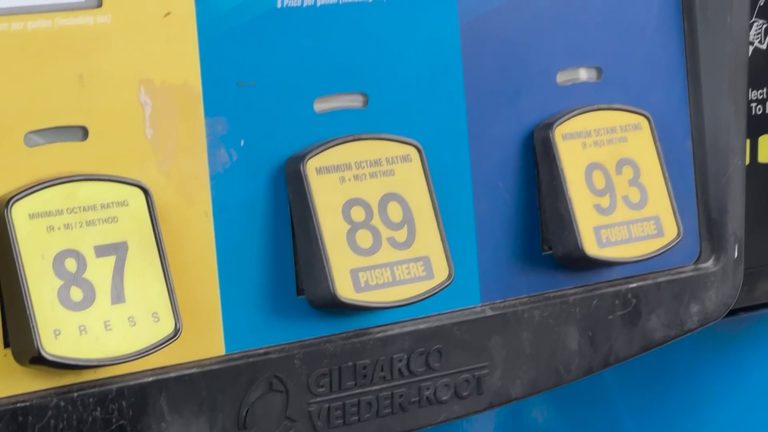
Arizona motorists saw a modest relief at the pump this week. Data compiled by AAA on November 6 shows the average price for regular gasoline fell by $0.13, or 2.8%, to $4.32 per gallon. Diesel prices also moved lower, decreasing $0.07, or 1.1%, to $6.25 per gallon.
Weekly and yearly price context
While the recent weekly decline is welcome, the longer‑term picture remains challenging. Over the past twelve months, gasoline has risen $0.96, a 28.5% increase, and diesel has surged $2.57, a 69.9% jump. The most expensive gasoline recorded in the state was $5.39 on June 17, 2022, and the peak diesel price hit $6.45 on September 22, 2026.
Most expensive metros
The highest regional averages continue to be in the northern and western parts of the state. Prescott leads the list at $4.62 per gallon, followed closely by the Lake Havasu‑Kingman area at $4.60 and Flagstaff at $4.58. Scottsdale, Yuma, and the East Valley round out the top five, each posting prices above $4.40.
Cheapest metros and neighboring states
Arizona’s lower‑priced markets are concentrated in the central and southern corridors. Phoenix‑Mesa averages $4.30, while Phoenix Proper is $4.29. Glendale, West Valley, and Peoria all sit just above $4.20. The state’s most affordable gasoline can be found in Pima County at $4.04 and Tucson at $4.02.
When compared to other states, Arizona remains more expensive than several southern and mid‑Atlantic markets. North Carolina offers the lowest price at $3.32 per gallon, followed by Georgia at $3.52 and Texas at $3.55. Even the West Coast, often cited for high fuel costs, shows a range from $4.71 in Oregon up to $5.80 in California.
What the price shift means for families
For Arizona families, the slight weekly dip translates into a modest savings at the pump—roughly $0.13 per gallon for drivers who fill up regularly. Over a typical 15‑gallon fill‑up, that’s a $2‑plus reduction, a small but welcome reprieve for household budgets already stretched by higher year‑over‑year fuel costs.
Local business owners, especially those in transportation, construction, and delivery services, will also feel the impact. Lower fuel expenses can help keep operating costs down, potentially allowing businesses to maintain stable pricing for their customers.
Looking ahead
Analysts caution that fuel prices remain vulnerable to global oil market fluctuations, seasonal demand shifts, and policy decisions at both the state and federal levels. While the current weekly decline is a positive sign, continued vigilance is needed to ensure that price relief endures.
Consumers are encouraged to monitor local price reports and consider fuel‑efficient driving habits—such as maintaining proper tire pressure and reducing idle time—to maximize savings.
Original reporting: azfamily KTVK/KPHO Phoenix (news) — read the source article.