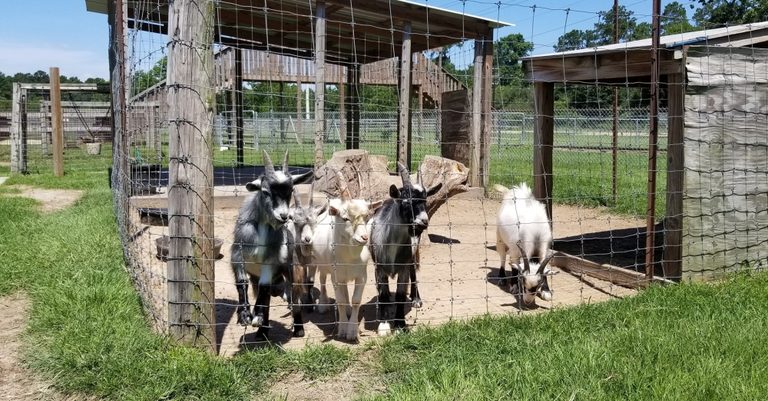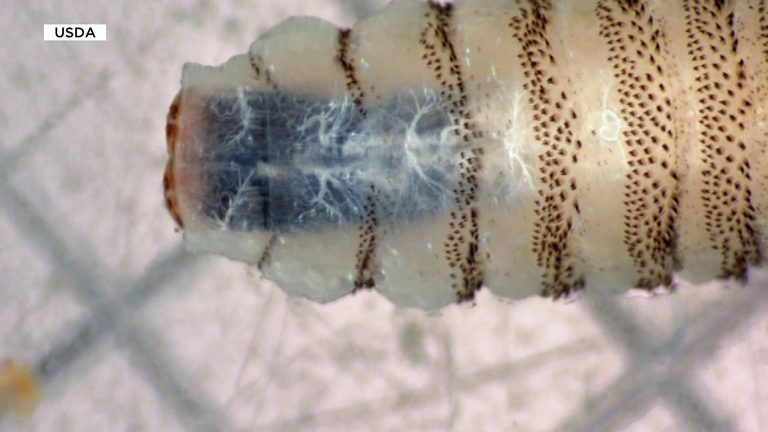
The Arizona Department of Agriculture announced Friday that the state now has seven confirmed cases of the New World screwworm, a parasitic fly that can devastate livestock and other animals. The latest case was identified in a pet horse near Tucson, marking the first confirmed infection in Pima County and bringing the total to four southern counties.
New quarantine zones established
In response to the spread, officials have created a new mandatory quarantine zone in Pima County. The zone extends a 20‑kilometer radius around each affected property, restricting the movement of animals unless owners obtain special approval. Existing zones already cover areas surrounding Tucson, Sierra Vista, Elfrida and Safford.
What the screwworm is and why it matters
The New World screwworm (Cochliomyia hominivorax) lays its eggs on open wounds of warm‑blooded animals. When the larvae hatch, they feed on living tissue, causing severe pain, infection and, if untreated, death. The parasite poses a serious threat to the state’s livestock industry, which is a cornerstone of Arizona’s rural economy and a vital source of food for families across the region.
State response and prevention measures
Arizona’s agricultural officials have been proactive since the first state‑wide case was documented earlier this year. Within days of that initial detection, the department issued a statewide advisory requiring owners traveling to California to provide proof that their animals are free of the parasite. The newest case comes less than a week after that requirement took effect.
Animal owners in the affected zones must comply with movement restrictions, which are designed to prevent further spread. Exceptions are granted only after a thorough review by the department, and any approved movement must follow strict decontamination protocols.
What owners should do
Veterinarians advise livestock and pet owners to inspect animals daily for open wounds, especially in the summer months when flies are most active. Prompt treatment of any wound can reduce the risk of infestation. If a wound appears infected or shows signs of larvae, owners should contact a veterinarian immediately and report the case to the Arizona Department of Agriculture.
For those traveling across state lines, keep documentation of health inspections handy. The department’s website provides detailed guidelines on the required paperwork and the steps to obtain clearance.
Looking ahead
State officials remain vigilant, monitoring the situation closely and working with federal partners to contain the outbreak. While the number of cases has risen, the rapid response and the establishment of quarantine zones demonstrate a coordinated effort to protect Arizona’s animal populations and the families that depend on them.
Residents are encouraged to stay informed through the Arizona Department of Agriculture’s updates and to cooperate fully with any restrictions. By acting together, the community can help keep the screwworm at bay and safeguard the health of both animals and the people who rely on them.
Original reporting: azfamily KTVK/KPHO Phoenix (news) — read the source article.