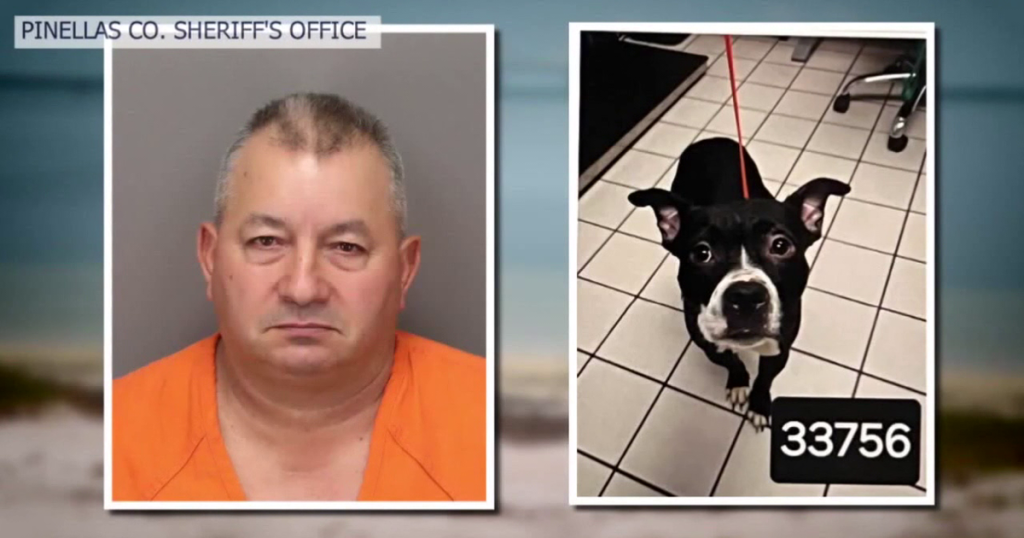
CLEARWATER, Fla. — Domingo Rodriguez, the man convicted in the brutal killing of a rescue dog named Dexter, has been taken into custody after the 2nd District Court of Appeals upheld his guilty verdict; the case out of Pinellas County led to the passage of Dexter’s Law and drew statewide attention in Florida. Rodriguez was convicted in February 2025 for aggravated cruelty to animals and improper disposal of an animal carcass, later posted bond while appealing, and surrendered after the appeal was denied to serve the remainder of a 364-day sentence in Pinellas County jail.
The appeals court decision leaves the February 2025 jury verdict intact, ending Rodriguez’s bid to overturn convictions for aggravated cruelty and unlawful disposal of an animal carcass. He had faced widespread anger and close scrutiny from animal advocates and local officials after deputies discovered Dexter’s body in May 2024. The appellate ruling removed the legal uncertainty that allowed him to remain free on bond while the appeal moved through the system.
Rodriguez adopted Dexter, a four-year-old bulldog mix, from county animal services in May 2024 and, within days, deputies found the dog decapitated and dumped in a plastic bag in the mangroves at Fort De Soto. That discovery sparked outrage across Pinellas County and across Florida, feeding a push to strengthen penalties for particularly cruel animal abuse. The grim facts of the case were central to both the criminal trial and the political momentum that followed.
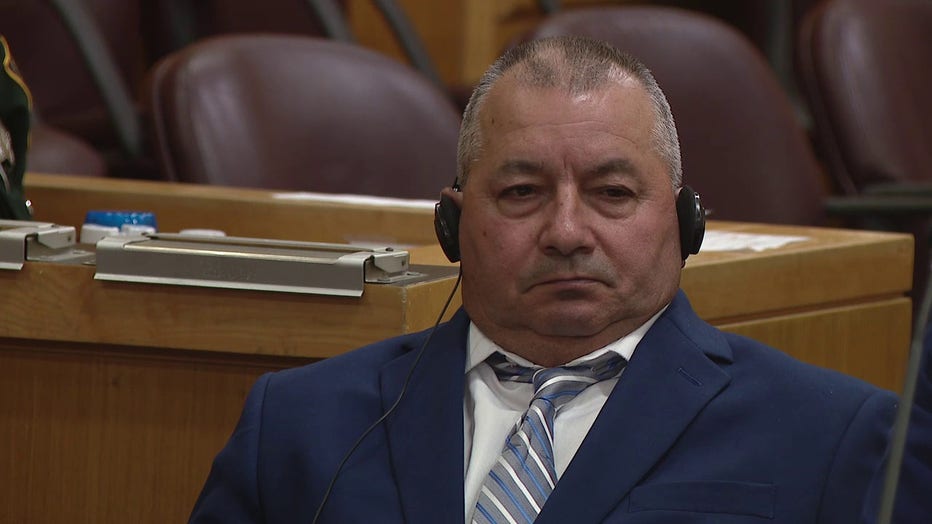
After the jury returned guilty verdicts, Judge Keith Meyer imposed the maximum sentence allowed: one year and 60 days in jail for Rodriguez, along with fines tied to the misdemeanor convictions. Rodriguez’s attorney filed a timely appeal, and in July 2025 a judge granted a $55,000 bond pending the outcome of that appeal. The bond allowed Rodriguez temporary freedom under strict conditions while the appeal was considered.
The conditions attached to the bond were designed to keep Rodriguez under supervision: a GPS monitor, surrender of his driver’s license and passport, no contact with animals or witnesses, and mandatory monthly court appearances to report on the appeals process. He posted the bond and complied with those terms until the appellate court issued its ruling. When the appeal concluded against him, the bond terms required Rodriguez to surrender to law enforcement.
Rodriguez surrendered to the Pinellas County Sheriff’s Office after the appeal was denied and is now in custody to serve the remainder of his sentence, totaling 364 days behind bars. Local authorities say he also paid fines imposed by the court as part of the sentence. The case remains a touchpoint for community outrage about animal cruelty and for discussions about legal tools to deter similar crimes.
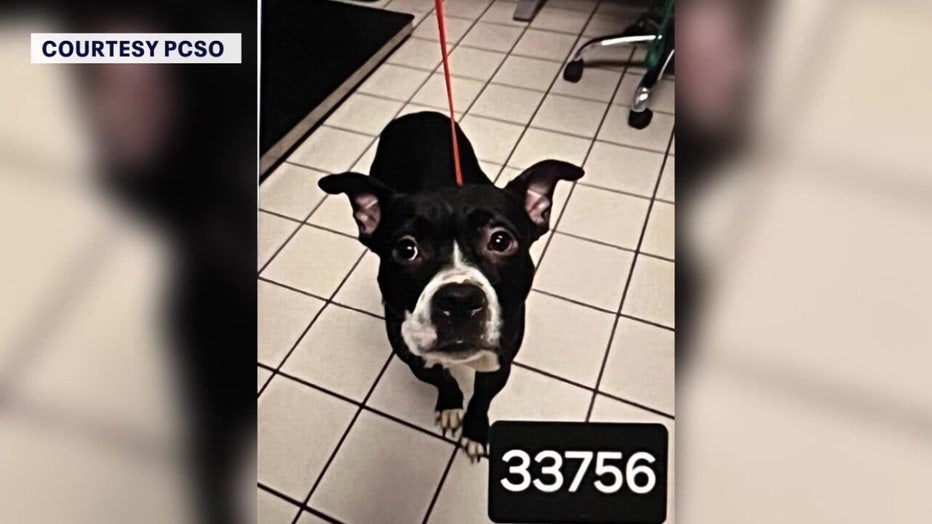
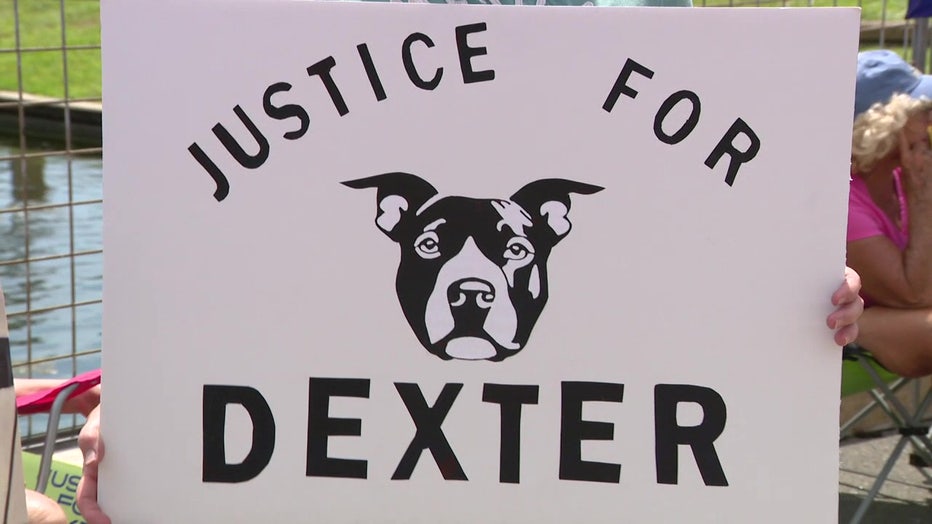
The killing of Dexter prompted lawmakers in Tallahassee to act quickly. Legislators approved what became known as Dexter’s Law, legislation that toughens penalties for especially heinous acts of animal cruelty and creates an offender database on the Florida Department of Law Enforcement website. That database bans listed offenders from owning, living with, or working with animals, aiming to prevent repeat offenses and protect vulnerable animals across the state.
Governor Ron DeSantis signed Dexter’s Law in May 2025, formalizing tougher consequences in Florida for those convicted under the new provisions. Supporters argued the law was necessary to close gaps in punishment and keep dangerous people away from animals, while advocates say the registry adds another layer of public safety. The Rodriguez conviction and the public reaction to Dexter’s death were widely cited by lawmakers during debates over the bill.
During the sentencing and bond hearings, Judge Meyer reflected on the challenge the court faced in balancing legal procedure with community anger, saying, “This was a difficult matter the court had to consider,” Judge Meyer said. The comment underscored how emotionally charged the case had become and how courts must weigh legal standards even in cases that provoke public outrage. With the appeals process now concluded, the criminal penalties and the new state law together mark the legal outcomes tied to Dexter’s death.