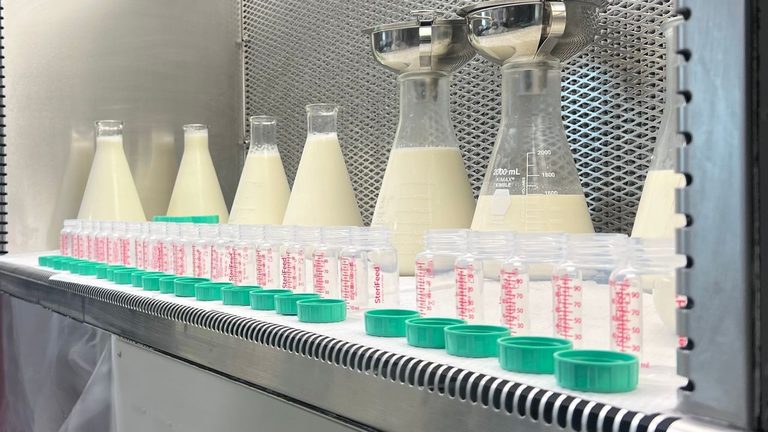
BOONE, N.C. – A team of scientists at Appalachian State University is turning a beloved Thanksgiving staple into a new plant‑based beverage. Professor Brett Taubman and his students in the university’s Fermentation Science Lab have received a nearly $2 million grant from NC Innovation to develop and market Rootsii, a milk alternative made from sweet potatoes.
Why sweet potatoes?
“They’re loaded with nutrition and starch,” Taubman explained. Sweet potatoes provide protein, essential vitamins, and a creamy texture without the allergens found in many dairy and plant‑based milks. The resulting product is lactose‑free, gluten‑free, and nut‑free, making it a safe choice for families dealing with food sensitivities.
Sustainability advantage
Beyond nutrition, sweet‑potato milk offers an environmental edge. Growing sweet potatoes requires significantly less water than almonds, the primary ingredient in many popular nut milks. In a region where water conservation is increasingly important, the new beverage aligns with both health and sustainability goals.
From lab to local shelves
The Rootsii project began roughly three years ago when graduate students sought a novel, non‑dairy milk source. After extensive fermentation trials, the team refined a process that preserves the sweet potato’s natural flavor while delivering a smooth, milk‑like consistency. With the NC Innovation grant, the researchers can scale production, secure packaging, and begin distribution to grocery stores and farmers’ markets throughout the High Country.
Economic impact for the community
Local officials see the grant as a boost for the regional economy. By creating a marketable product rooted in North Carolina agriculture, the project supports local farmers, creates potential manufacturing jobs, and showcases the state’s capacity for innovative food research. The university plans to partner with nearby processors and distributors to keep the supply chain within the state.
Looking ahead
Professor Taubman and his team aim to have Rootsii on shelves within the next year. They are also exploring additional applications, such as using the sweet‑potato base for flavored drinks and fortified nutrition products. Community members are encouraged to attend upcoming tasting events at the university’s research farm, where they can sample the milk and provide feedback before the commercial rollout.
As the project moves forward, the collaboration between academia, state innovators, and local agriculture highlights a growing trend: turning regional crops into value‑added foods that benefit both consumers and the economy.
Original reporting: WRAL Raleigh — read the source article.