There are towns named after their founders, towns named after their geography, and then there is Rockwall — a town named after something buried underground that nobody expected to find. If you have ever driven through this charming lakeside community east of Dallas and wondered why it carries such an unusual name, the answer lies beneath your feet, and the story it tells is one of the most genuinely strange and captivating in all of Texas history.
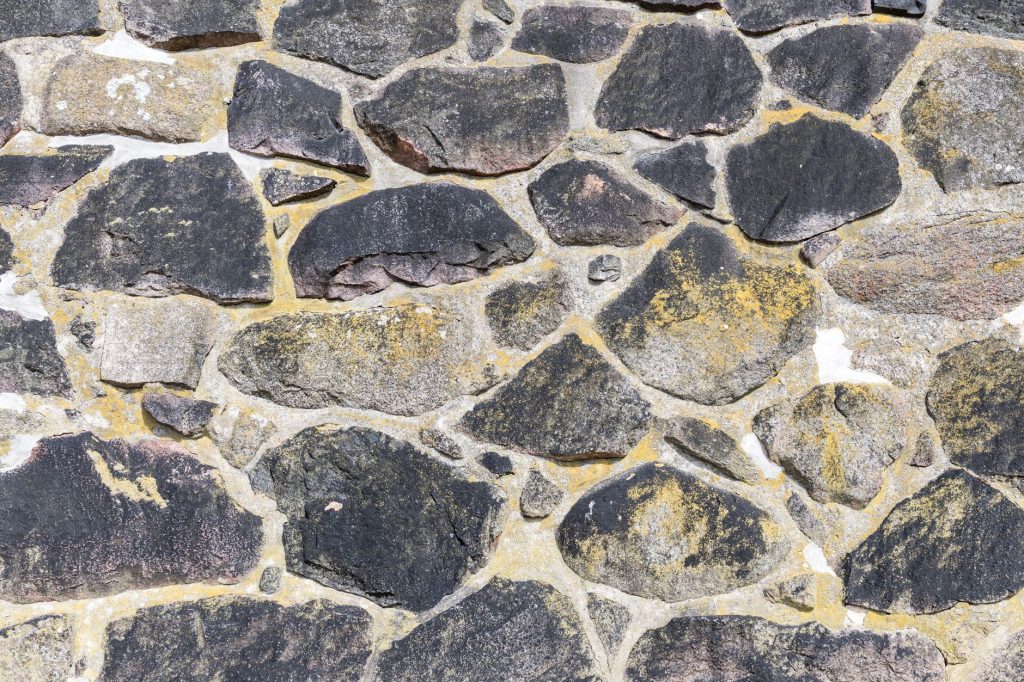
It started in 1852, when a group of settlers digging a well near the town square struck something hard and unyielding a few feet below the surface. They pulled away the soil and found what appeared to be a neatly jointed rock wall — straight, structured, and running in multiple directions underground. Word spread fast. More digging revealed that the formation extended for miles, tracing a rough rectangular pattern beneath the earth. Nobody could explain it. Geologists debated it. Historians scratched their heads. And the town that grew up around the mystery simply took the wall as its name.
Today, you can actually see a portion of this formation exposed and displayed near the downtown square, a short walk from the historic courthouse that anchors the heart of old Rockwall. The site is modest in presentation but enormous in intrigue. Standing there, looking down at the ancient jointed stone, you feel that peculiar Texas sensation of time collapsing — a 19th-century discovery sitting quietly beneath a 21st-century town going about its Tuesday afternoon.
The scientific consensus today leans toward a geological explanation: a natural sandstone dike formed by ancient tectonic pressure forcing molten rock upward through cracks in sedimentary layers, then slowly cooling into eerily regular formations. But that explanation, while credible, does nothing to diminish the wonder of actually seeing it. Regular right angles and interlocking joints formed entirely by geology? Nature, it turns out, is a more imaginative architect than we give her credit for.
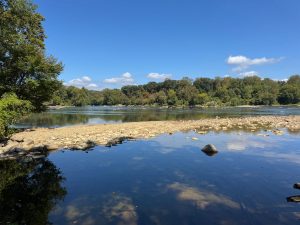
What makes a visit here so rewarding is the layering of experience on offer. The downtown square itself is walkable and genuinely lovely — stately old buildings, local shops, good food a short stroll away. You can build an easy half-day around it: start with the wall, pick up context at the nearby historical markers, then wander the square for coffee or a bite before heading down to the waterfront. The wall is accessible year-round and costs nothing to visit, which makes it the perfect anchor for a spontaneous afternoon.
Bring your curiosity and a willingness to sit with a mystery. Whether the wall is geology’s doing or something older and stranger, Rockwall built an entire identity around it — and that, too, is a kind of wonder worth making the drive for.