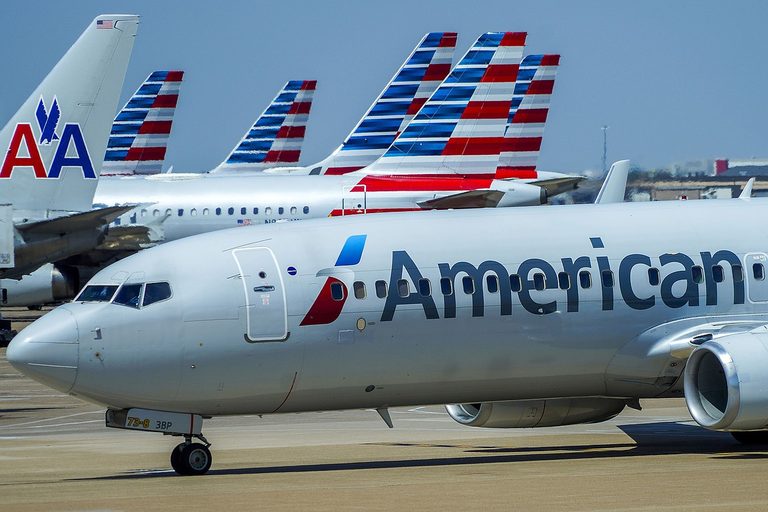
American Airlines, the dominant carrier at Dallas‑Fort Worth International Airport and the sole commercial airline serving Texarkana Regional Airport, announced its third‑quarter earnings Thursday. While revenue hit a record $16.3 billion – a 19.3% year‑over‑year increase – the airline posted an adjusted net loss of $182 million.
Fuel costs drive the loss
Chief Financial Officer Devon May warned that jet fuel prices are projected to stay above $4 per gallon for the first half of 2027, a level far higher than the airline expected just two months ago. The carrier’s fuel expense rose $1.9 billion, a 67.5% increase from the same quarter last year, directly eroding profitability.
Management’s response
CEO Robert Isom told investors the company is moving “in the right direction and with urgency.” He emphasized that the loss would have been a profit if not for the fuel spike and expressed confidence that the airline can return to profitability in 2027. To offset the higher cost environment, American plans to curb capacity growth next year, focus on higher‑yield fares, and continue revenue‑generation initiatives such as seat‑back entertainment, Starlink Wi‑Fi on over 1,000 main‑line aircraft, and new lounge projects at its Dallas‑Fort Worth and Charlotte hubs.
Positive revenue trends
Despite the overall loss, several revenue streams showed strength. Premium cabin revenue rose 22.9% and main‑cabin revenue increased 19.5% year‑over‑year. Enrollments in the AAdvantage frequent‑flyer program grew 27.4%, indicating continued customer loyalty.
Competitive landscape
American’s rivals United Airlines and Delta Air Lines reported solid third‑quarter earnings, with United posting just over $1 billion in net income and Delta earning $756 million. Southwest Airlines, based at Dallas Love Field, also posted a $270 million profit. Pilots’ union spokesperson Dennis Tajer suggested that American’s underperformance may stem from “a failure of proper revenue management” and an “obsessive view on market share versus yield.”
Strategic investments
In recent months, American has announced significant capital projects aimed at boosting revenue. The airline is retrofitting its premium Boeing 777 fleet, restoring seat‑back screens, and planning a large order of new wide‑body aircraft to expand international routes. These investments are intended to enhance the product offering and justify higher fares.
Outlook
Analysts at Melius Research noted the challenging operating environment but acknowledged the airline’s premium revenue gains. They cautioned that American’s path to sustained profitability hinges on managing fuel volatility and executing its yield‑focused strategy. The airline expects an adjusted loss of $0.50 to $1.10 per share in the fourth quarter and a full‑year adjusted loss between $1 billion and $1.6 billion.
American’s leadership remains optimistic, with Isom stating, “We think we could be profitable next year, driven by what we’ve seen this year.” The company’s upcoming capacity adjustments and continued focus on revenue‑enhancing initiatives will be closely watched by investors, employees, and the Texarkana community that relies on the airline for connectivity.
Original reporting: Texarkana Gazette — read the source article.