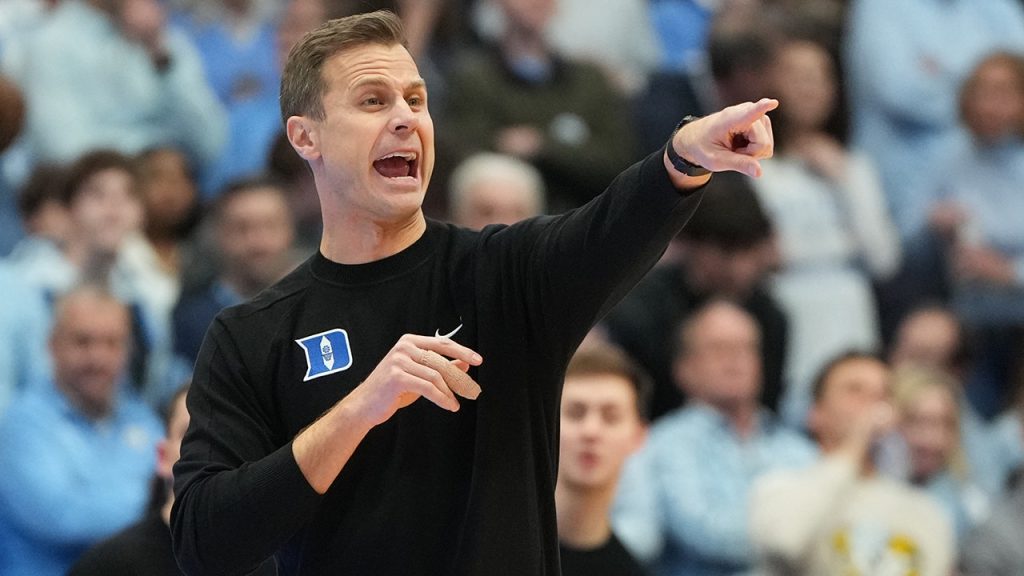
Amazon’s Prime Video struck a bold deal with Duke to carry three nonconference basketball games next season, but a dispute over one matchup has exposed how messy TV rights and conference territories can still derail even high-profile announcements.
The news landed with a thud in the media world when Duke revealed Amazon would stream its nonconference slate, including games against UConn, Michigan and Gonzaga. It felt like a test drive for what streaming might look like as traditional networks juggle rights and new players move in. Fans and executives alike saw potential, but the buzz quickly turned to questions about who actually controls which games.
Almost immediately a complication surfaced: the Michigan game. The Big Ten believes that contest falls under its existing television pact, and that puts the conference at odds with Duke, ESPN and Amazon. That kind of overlap is exactly what makes these agreements fragile, because a single regional clause can flip control of a game from one outlet to another.
“In exchange for the flexibility to participate in this Prime Video series of nonconference games, Duke has committed to participate in select additional ESPN owned and operated men’s basketball neutral-site events across the 2027-28 and 2028-29 seasons,” Duke said in a statement. That sentence, which spelled out the trade Duke struck to get ESPN’s blessing, is now part of the mess the parties are trying to untangle.
NCAA Tournament expanding to 76 Teams is all about the money, not inclusion or madness
The practical snag is regional territory and rotating network rights. Last season ESPN was the home for the Michigan-Duke match from Washington, D.C., but this year the Big Ten’s package sits with FOX, meaning the conference expects that game to be routed to its partner. Where a game is played, and which city counts as inside a conference footprint, suddenly matters more than ever.
GOP SENATOR CALLS FOR REVISION TO FEDERAL LAW AS SPORTS FANS PAY BIG ON OUTRAGEOUS STREAMING PRICES
There are some specifics that help explain why Amazon got UConn and Gonzaga but hit trouble with Michigan. The UConn contest is in Las Vegas and Gonzaga’s matchup is in Detroit, both venues considered outside the core home territories at issue here. New York City, however, is treated by the Big Ten as part of its regional footprint, which is why the Big Ten feels entitled to control the Duke-Michigan game when it’s slated for Madison Square Garden.
FCC TAKES NOTICE AS AMERICA’S MOST POPULAR SPORT BECOMES INCREASINGLY COSTLY, FRUSTRATING TO CONSUME
So what are the realistic outcomes? One path is a payout. ESPN, Duke and Amazon could write a six-figure check to the Big Ten to settle the claim and keep the game on Prime. Financial settlements like that are old hat in rights disputes, simple if a conference has leverage and wants the money more than the fight. Another path is FOX stepping in to produce and air the game, asserting its contractual control and taking over the broadcast responsibilities for the matchup.
A third option is replacement. If the wrangle looks like it will drag on or get messy, Amazon and Duke could drop Michigan from the Prime slate and swap in another opponent that does not cause territorial friction. That would preserve the broader experiment of streaming elite nonconference matchups without risking a public showdown between networks and conferences.
This whole episode highlights how fragmented college sports rights have become, with legacy broadcasters, conference deals and new streaming entrants all jockeying for position. It is a reminder that behind the flashy headlines about who will stream what, there is a web of clauses about territory, rotating rights and neutral-site definitions that can undo even a carefully staged announcement. For now the parties will either pay, bargain, or reshuffle schedules to keep the season intact and the cameras rolling.