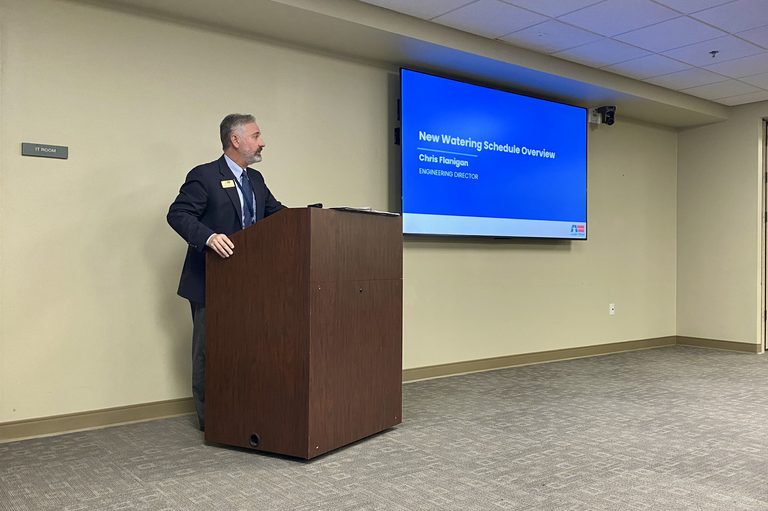
Allen City officials announced a major update to the municipal irrigation schedule that will take effect in January 2027. The change, presented by Director of Engineering Chris Flanigan at a Nov. 10 council work session, adjusts watering hours and reassigns primary watering days for roughly one‑third of the community.
Why the change?
Allen’s watering schedule has remained unchanged since 2011. Rapid population growth and advances in water‑usage monitoring technology prompted city staff to revisit the policy. “We’re putting those existing sources of water under more and more strain, and so water conservation is more and more important in terms of one strategy to try to satisfy the demands of a growing region,” Flanigan explained.
New schedule details
Effective April through October 2027, the city‑wide watering window will shift from the current 6 p.m.–10 a.m. to a tighter 6 p.m.–7 a.m. Residents will still be able to water their yards at any time on their designated primary watering day during the cooler months of November through March.
In addition, about one‑third of households will receive a different primary watering day. The city’s plan also allows residents to select a secondary watering day during the April‑October period, with secondary days adjusted to align with the new schedule.
Projected water savings
Flanigan cited a city‑conducted study that predicts the reorganization could save roughly one million gallons per day at peak demand. “In the study that was done, the model predicts that if we have this reorganization of the community, we could save a million gallons per day on maximum daily demand,” he said.
Implementation and compliance
The city will begin communicating the changes to residents in December, with the new schedule officially taking effect in the new year. While no formal ordinance will be adopted, city staff will encourage compliance, emphasizing stewardship of limited water resources. “We want to do our best to encourage compliance from the standpoint of doing what’s right by the community and the resources available to us,” Flanigan added.
Hand‑held hoses, soaker hoses, and drip‑irrigation zones are exempt from the schedule, allowing homeowners to maintain foundation watering and targeted irrigation at any time.
Looking ahead
Flanigan noted this will likely be the final adjustment to Allen’s watering schedule, as the city now has less than 8 % of undeveloped land remaining. The plan was crafted with future growth in mind, ensuring water resources remain sustainable for years to come.
Residents can find additional information, including specific day assignments and FAQs, on the City of Allen’s official website.
Original reporting: Community Impact — Allen — read the source article.