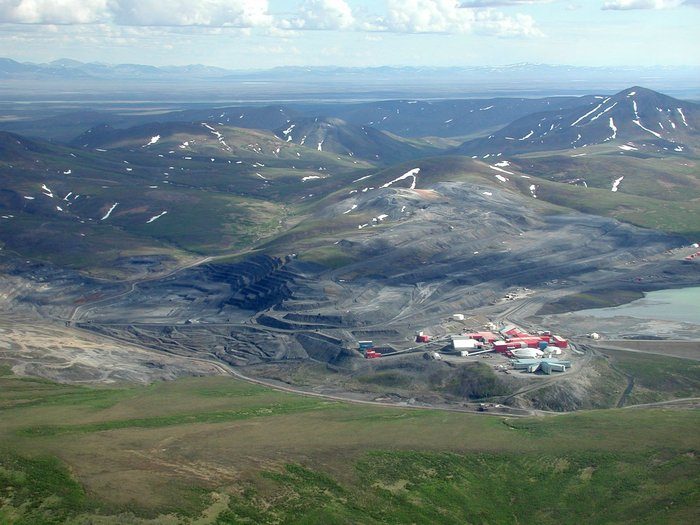
The Alaska Energy Authority (AEA) board voted unanimously to provide a $4.9 million loan to Tugliq Red Dog1 LLC for the development of an 8.8‑megawatt solar‑plus‑battery power plant at the Red Dog Mine in the Northwest Arctic Borough. The loan, drawn from AEA’s Power Project Fund, is a key step toward a $35 million project slated for completion in late 2028.
Why the project matters to Alaskans
Red Dog Mine is one of the nation’s largest zinc producers and a vital source of jobs and revenue for the Northwest Arctic region, NANA Regional Corporation shareholders, and the borough itself. Historically, the remote operation has relied on diesel generators, a costly and environmentally taxing fuel source. By adding solar generation and battery storage, the mine will reduce its diesel consumption, lower operating costs, and improve overall system stability.
Economic and community benefits
AEA CEO and Executive Director Curtis W. Thayer emphasized the broader impact: “Red Dog Mine is a major economic engine providing substantial long‑term benefits to the Northwest Arctic region, and this project provides a low‑cost source of energy to support its continued operations.” The loan reflects AEA’s commitment to expanding Alaska’s energy infrastructure while safeguarding sustained economic activity for local communities.
Under full mining operations, the solar‑battery system is expected to supply roughly five percent of Red Dog’s projected power needs. In a mine‑closure or reclamation scenario, the system could cover about ninety percent of the site’s annual electricity demand, offering flexibility for future land‑use plans.
How the financing works
The Power Project Fund provides loans—not grants—to eligible borrowers for the development, construction, and improvement of power facilities throughout Alaska. Resolution No. 2026‑10 authorizes the agency to enter into the loan agreement with Tugliq Red Dog1 LLC, which will own and operate the facility as an independent power producer. The electricity generated will be sold to Teck Alaska Inc., the mine’s operator, under a long‑term power purchase agreement.
Local impact and future outlook
Beyond reducing diesel use, the project adds operational flexibility during the summer months when power‑intensive milling can strain the existing grid. By diversifying the energy mix, the mine can avoid curtailing other loads, keeping the entire system more reliable for workers and nearby communities.
Alaskans can view this loan as a concrete example of state‑level leadership that aligns with traditional family values and individual liberty: it promotes responsible stewardship of natural resources, creates stable jobs, and reduces reliance on foreign‑sourced fuel. The AEA’s proactive financing demonstrates how government can partner with private industry to deliver practical, low‑cost solutions that benefit both the economy and the environment.
Looking ahead
Construction is expected to begin in 2025, with the solar array and battery storage coming online by the end of 2028. As the project progresses, AEA will continue to monitor its performance and explore additional renewable opportunities that can further strengthen Alaska’s energy independence.
Original reporting: Must Read Alaska (Anchorage) — read the source article.