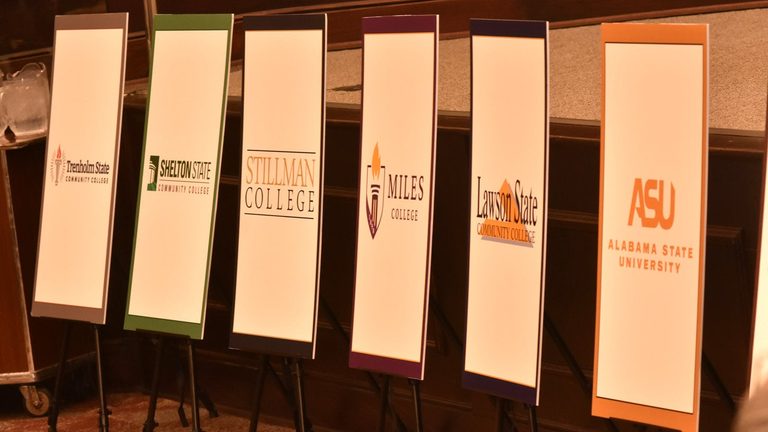
Alabama’s 14 historically Black colleges and universities (HBCUs) are delivering a substantial economic boost to the state, according to the United Negro College Fund’s 2024 Economic Impact report. The study found that these institutions generated a total economic impact of $1.4 billion for local and regional economies.
Spending multiplies across the state
Every dollar spent by the state and its students creates $1.2 in additional local and regional spending. Direct expenditures on faculty, staff, academic programs, operations, and student consumption ripple through the economy, producing follow‑on benefits.
Job creation and multiplier effect
The HBCUs support 13,434 jobs, with 5,542 on‑campus positions and 7,892 off‑campus roles. For each on‑campus job, an additional 1.4 public‑ and private‑sector jobs are created elsewhere, meaning each $1 million of initial spending yields roughly 11 new jobs.
Graduate earnings surge
Graduates from Alabama HBCUs earned a total of $15.7 billion in 2021, representing a 42 percent increase over what they might have earned without a college degree. On average, an individual graduate can expect $712,872 in additional lifetime earnings thanks to their credentials.
Local leaders emphasize opportunity
Birmingham Mayor Randall Woodfin praised the findings, calling the HBCUs a source of pride for the state. At the Birmingham Business Alliance’s Magic City HBCU Breakfast, Woodfin asked business leaders what they could do to keep graduates in Alabama, answering, “One word: jobs.” He urged employers to provide early internships, apprenticeships, and summer opportunities to build a strong pipeline of talent.
Jermaine “Funny Maine” Johnson hosted the breakfast and moderated a panel on how businesses can retain HBCU‑trained talent. Woodfin concluded by thanking the community for its support of the state’s HBCUs.
Original reporting: BirminghamWatch — read the source article.