Around seven in the morning on a Tuesday, before the lunch crowd has any business even thinking about parking on 22nd Avenue South, Al Lonigro is already at the counter at The Brickhouse Diner, talking to a woman named Darlene who has been coming in since the mid-nineties. She orders the same thing she always orders. He already knows.
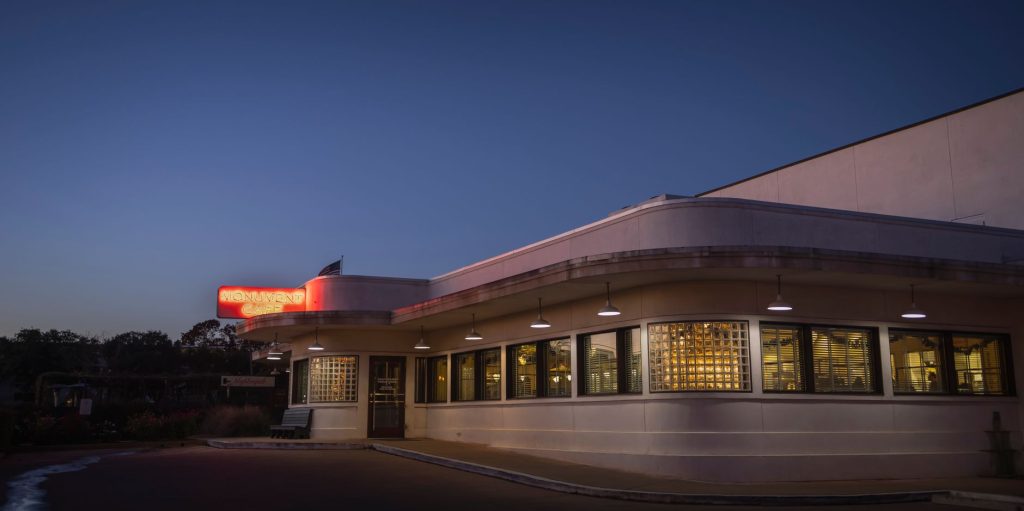
Al has owned the place for going on twenty-two years. Before that, it was somebody else’s diner. Before that, it was something else entirely — a hardware store, he thinks, though he’s not entirely sure. The building is squat and brick-fronted, sitting on a residential stretch of the Kenwood neighborhood where the streets are shaded by old oaks and the houses still have their original bones. It is not a place you find by accident. Most of the people who come in were brought by someone who came in before them.
The menu is a single laminated sheet, and it hasn’t changed much in the time Al has been running the place. Eggs any way, a short stack that arrives thick and golden, grits that actually taste like something rather than nothing, and a couple of lunch plates — a patty melt, a Reuben on rye, a daily special that Al writes on a whiteboard by the door. The coffee is not specialty coffee. It is hot and it is refilled without you asking, which counts for a lot at seven in the morning.
What makes The Brickhouse worth talking about isn’t the food exactly, though the food is good and honest. It’s the fact that Al still works the room himself, six days a week. He’s in his late sixties, moves a little slower than he probably used to, and still greets people by name if they’ve been in more than twice. He’s not performing warmth for Yelp reviews. He just runs a diner the way diners used to be run, which means he actually cares whether you liked your eggs.
The room seats maybe thirty people across a mix of counter stools and four-top tables with laminate surfaces. The walls have a few framed photos of old St. Pete — the original Pier, some baseball players, a shot of Central Avenue from what looks like the 1960s. None of it is themed or curated. It’s just stuff Al picked up over the years and hung where there was space.
Prices are what you’d hope. Two eggs, toast, and grits will run you somewhere around nine dollars. The Reuben is twelve or thirteen. Nothing on the menu clears fifteen. Cash is preferred; there’s an ATM in the corner if you forget.
Parking is on the street, which is usually fine. Go early on weekends — by nine on a Saturday the counter fills up and there’s sometimes a short wait. Weekday mornings are quieter and the better time to actually talk to Al, who will tell you about the neighborhood, about the changes he’s watched on Central Avenue, about the time a local TV crew came to film a piece and never aired it.
The Brickhouse doesn’t have a strong social media presence or a slick website. It has Al, and Darlene, and a pot of coffee that doesn’t run out. In a city that keeps opening new restaurants with exposed ductwork and custom cocktail lists, that’s worth something.