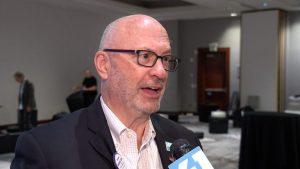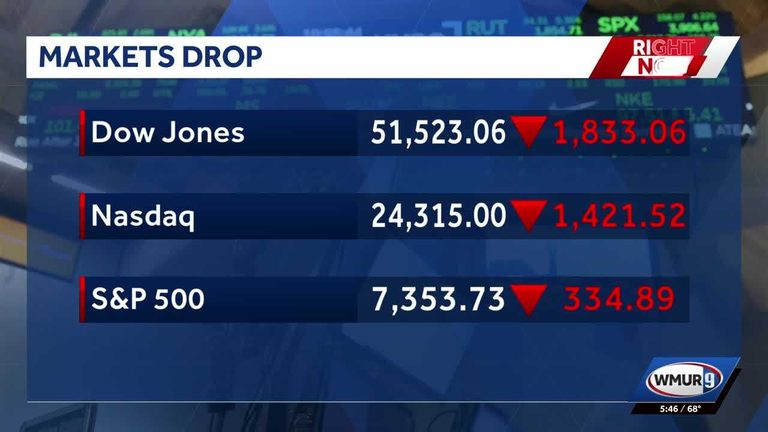
Manchester, N.H. – The U.S. stock market experienced a pronounced decline just two days after the November 2026 election, a move analysts attribute primarily to a rapid sell‑off of artificial‑intelligence (AI) stocks. Financial advisor Sean Tole weighed in on the sudden shift and offered practical guidance for individuals navigating their personal finances amid the turbulence.
Why AI stocks led the drop
Tole noted that AI‑focused companies have enjoyed a surge of investor enthusiasm over the past year, driving valuations to historically high levels. When the election results were announced, many investors reassessed risk exposure and chose to liquidate positions in the sector, prompting a cascade of sell orders that pulled broader indices lower. “The market reaction was swift because AI stocks were heavily weighted in many portfolios,” Tole said. “When confidence waned, the impact was felt across the board.”
What the dip means for everyday investors
According to Tole, a short‑term market correction does not automatically signal a long‑term downturn. He emphasized that investors should avoid panic‑driven decisions and instead focus on the fundamentals of their financial plan. “A market dip can be unsettling, but it also presents an opportunity to review your holdings and ensure they align with your goals and risk tolerance,” he explained.
Steps to safeguard personal finances
Tolle outlined several actions households can take right now:
- Reevaluate asset allocation. Confirm that your portfolio reflects a balanced mix of stocks, bonds, and cash appropriate for your time horizon.
- Consider dollar‑cost averaging. If you have a long‑term outlook, gradually adding to positions during a dip can lower average purchase prices.
- Maintain an emergency fund. Keeping three to six months of living expenses in a liquid account helps you avoid selling investments at a loss if cash needs arise.
- Review debt levels. Reducing high‑interest debt can improve financial resilience during market volatility.
- Stay informed, not reactive. Follow reputable sources and consult with a trusted advisor before making major changes.
Looking ahead
While the AI sell‑off contributed to the recent market dip, Tole cautioned that broader economic indicators—such as employment trends and consumer spending—remain solid. He expects the market to stabilize as investors digest election outcomes and adjust expectations for future corporate earnings.
For New Hampshire residents seeking personalized advice, Tole recommends scheduling a review with a certified financial planner to tailor strategies to individual circumstances.
Original reporting: WMUR (Hearst) – local news — read the source article.