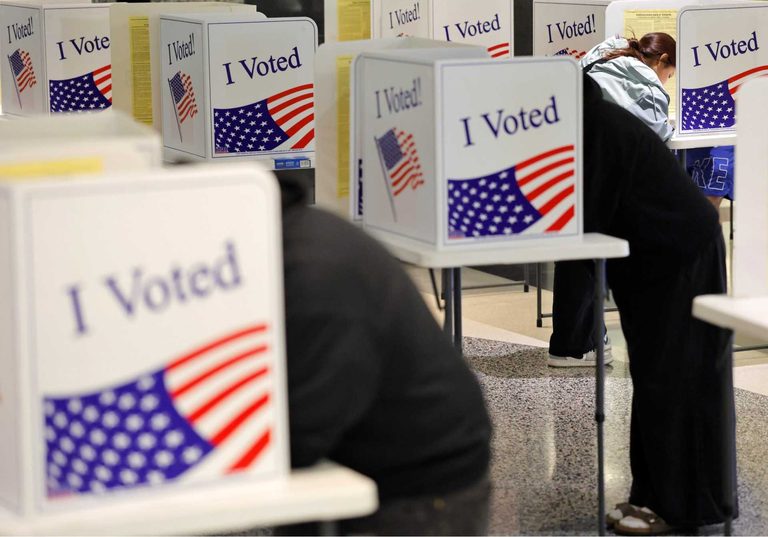
While the 2026 midterm election cycle saw a surge in artificial‑intelligence‑generated political advertising, campaigns continue to rely heavily on traditional ad formats. The Wesleyan Media Project, which monitors political advertising, identified roughly 300 AI‑produced or AI‑enhanced ads this cycle.
Spending and scale
Those AI ads attracted about $187 million in spending on online platforms and television. That figure is more than 3,000 times the roughly $50,000 spent on AI ads during the 2024 cycle, but it remains a tiny fraction of the overall political advertising market. AdImpact estimates total ad spending at about $11.6 billion for 2025‑2026.
Partisan distribution
According to the Wesleyan Media Project, roughly 90 % of the AI ads tracked originated from Republican candidates or groups supporting them. The data suggests that the technology is being adopted more quickly on the right, though the overall impact is still limited.
Why campaigns are cautious
“There’s an AI learning curve for campaigns, and there’s reputational risk,” said Travis Ridout, co‑director of the Wesleyan Media Project. Campaign staff worry about voter backlash if AI‑generated content is perceived as inauthentic or manipulative. A 2025 Pew Research Center study found that 71 % of Americans would view a candidate less favorably if they learned the candidate used AI to help write a speech they had otherwise enjoyed.
Voter attitudes
Polls indicate that many voters remain uneasy about AI‑produced political material. “What people are okay with in terms of what AI is used for and how much it is used are still being worked out,” said Christina Walker, an international affairs assistant professor at the University of Georgia.
Types of AI content
AI ads have taken many forms, from deepfake videos that fabricate statements to enhanced footage that adds extra participants to a crowd. Some ads functioned as “new media for creating political cartoons,” according to Tim Harper of the Center for Democracy & Technology. Thirty‑one states have enacted laws regulating deepfakes in political messaging, and those statutes are already being tested.
Local examples
In Texas, voters encountered AI‑generated visuals targeting state Rep. James Talarico, the Democratic candidate who won the state’s U.S. Senate race. In other markets, campaigns have crafted talking points designed to surface in AI chatbots when voters ask about candidates or issues.
Impact on voter decision‑making
Experts caution that AI content may not be a decisive persuasion tool. “AI content isn’t necessarily persuading audiences,” said Cayce Myers, a public relations professor at Virginia Tech. Instead, it often reinforces pre‑existing opinions. Some voters also express concerns that the proliferation of AI‑driven data centers could strain local resources, raise energy costs, and affect community quality of life.
Looking ahead
As campaigns continue to experiment with AI, the technology’s role in political communication is likely to expand, but adoption will be tempered by voter sentiment, regulatory scrutiny, and the practical challenges of mastering new tools. For now, conventional advertising remains the backbone of campaign messaging, with AI serving as an emerging supplement rather than a replacement.
Original reporting: WPBF West Palm Beach — read the source article.