AAA released its Thanksgiving travel outlook on Monday, noting a small contraction in the number of Americans expected to hit the road for the holiday. The association estimates 81.5 million people will travel this year, down from 81.6 million in 2025, ending three consecutive years of growth.
Rising costs drive the dip
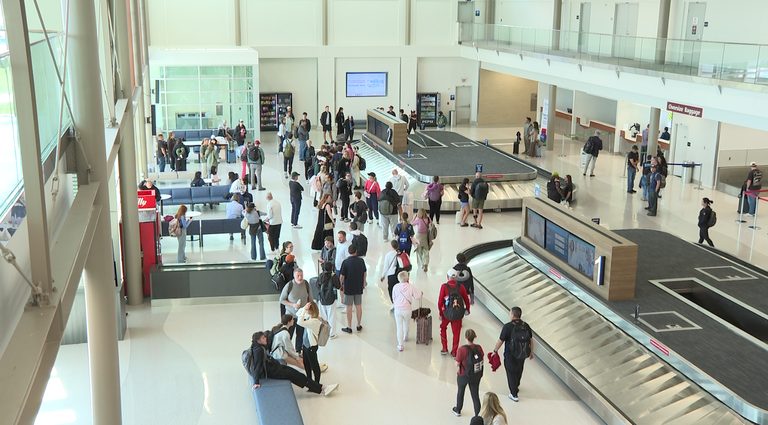
Travelers are feeling the pinch from higher prices across the board. AAA projects that roughly five million air passengers will pay an average of $800 per ticket, a notable increase from previous years. Meanwhile, the 72 million expected to travel by car are likely to encounter higher gasoline prices at the pump, a factor that could deter some families from making long‑distance trips.
Impact on Arkansas drivers
For residents of Northwest Arkansas and the River Valley, the forecast carries particular relevance. The region’s drivers are expected to see some of the steepest fuel price hikes, a consequence of national supply pressures and lingering effects from a recent nationwide ground stop that grounded flights on a Friday. The Federal Aviation Administration is still investigating a router in Arkansas as a possible cause of that disruption.
Local motorists can stay informed by checking the seven‑day weather forecast for the area, as well as interactive radar and live sky‑cam feeds provided by regional news outlets. These tools help families plan safe and efficient journeys, especially when weather and traffic conditions add another layer of complexity to holiday travel.
What the numbers mean for families
Although the overall traveler count is slightly lower, the sheer scale of Thanksgiving travel remains massive. Even a modest dip represents millions of families adjusting plans, budgeting more carefully for airfare, and possibly opting for shorter trips or alternative destinations. Parents who value family time can use the data to weigh the cost‑benefit of long‑distance travel versus staying closer to home.
From a broader perspective, the trend underscores the importance of keeping transportation costs affordable for American families—a core concern for many community leaders who champion policies that protect household budgets and preserve the tradition of gathering with loved ones during the holiday season.
Looking ahead
AAA will continue to monitor travel patterns as the Thanksgiving period approaches. The association advises travelers to book early, compare airline fares, and consider flexible ticket options to mitigate the impact of price volatility. For those driving, planning fuel stops and staying aware of traffic updates can help avoid unnecessary delays and expenses.
Overall, while the projected dip signals a modest slowdown, the Thanksgiving travel season remains a vital part of the national economy, supporting airlines, hotels, restaurants, and countless small businesses that rely on holiday traffic.
Original reporting: 40/29 / KHBS (NW Arkansas) — read the source article.