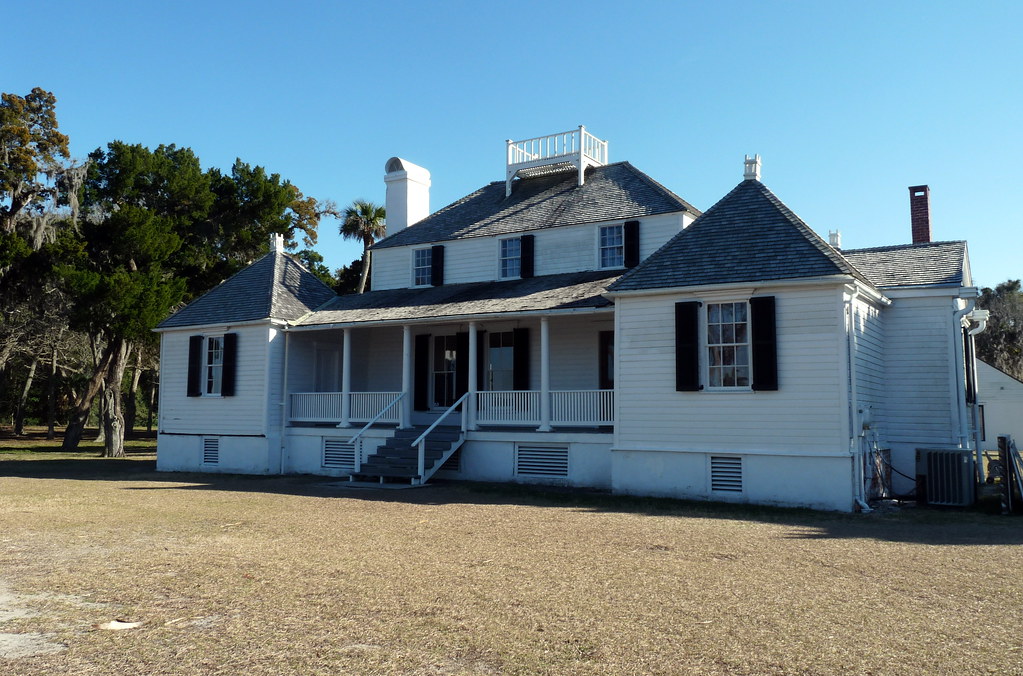
There are places that simply stop you in your tracks — where the Spanish moss hangs heavy over tabby ruins, the salt breeze rolls off the tidal marsh, and you suddenly feel the full, complicated weight of American history pressing down on your shoulders. Kingsley Plantation, tucked onto the northern tip of Fort George Island just a short drive from downtown Jacksonville, is exactly that kind of place. And I promise you, it will stay with you long after you’ve driven back across the bridge.
Kingsley Plantation holds the distinction of being the oldest surviving plantation complex in Florida, dating to the early 1800s. It sits within the Fort George Island Cultural State Park and is administered by the National Park Service, which means admission is completely free — a fact that still astonishes me every single time I visit. You’re getting one of the most historically significant sites in the entire Southeast, and it costs you nothing but your time and attention.
The drive out alone is worth the trip. Fort George Island Road winds through a cathedral of ancient oaks draped in Spanish moss, and by the time you arrive at the plantation grounds, you feel genuinely removed from the city — even though you’re only about 30 miles northeast of downtown Jacksonville. The landscape is stunning: open marsh grasses, the wide shimmer of the Fort George River, and a sky that seems to stretch wider than it does anywhere else in Duval County.
The centerpiece of the site is the barn-red plantation house itself, which you can tour with a ranger or explore at your own pace. But what moves me most on every visit are the slave quarters — a haunting semicircle of 25 tabby ruins made from oyster shells and lime mortar, each one the footprint of a small home where enslaved people lived and endured. The National Park Service does not shy away from this history, and neither should visitors. Standing among those ruins is a profound and necessary experience.
The plantation’s owner, Zephaniah Kingsley, was himself a fascinating and contradictory figure — a slave trader who legally married an enslaved woman, Anna Madgigine Jai, who managed the plantation with remarkable authority. Their story, told through interpretive exhibits inside the house, adds deep human texture to what might otherwise feel like a simple history lesson.
Beyond the history, the surrounding island offers hiking trails, wildlife watching, and access to pristine Atlantic coastline. Armadillos and gopher tortoises wander the grounds with complete indifference to tourists. Osprey wheel overhead. It feels wild and real in the best possible way.
Plan to spend at least two to three hours here, and bring water, sunscreen, and comfortable walking shoes — the grounds are expansive and the Florida sun is not shy. Ranger-led tours are offered on weekends and are absolutely worth timing your visit around. The rangers here are knowledgeable, passionate, and excellent storytellers.
Whether you’re a history enthusiast, a nature lover, or simply someone looking for a meaningful afternoon away from the ordinary, Kingsley Plantation delivers something rare: a place that is beautiful, important, and completely unhurried. Jacksonville has no shortage of ways to spend a day, but few of them leave you thinking quite as deeply as this one does.