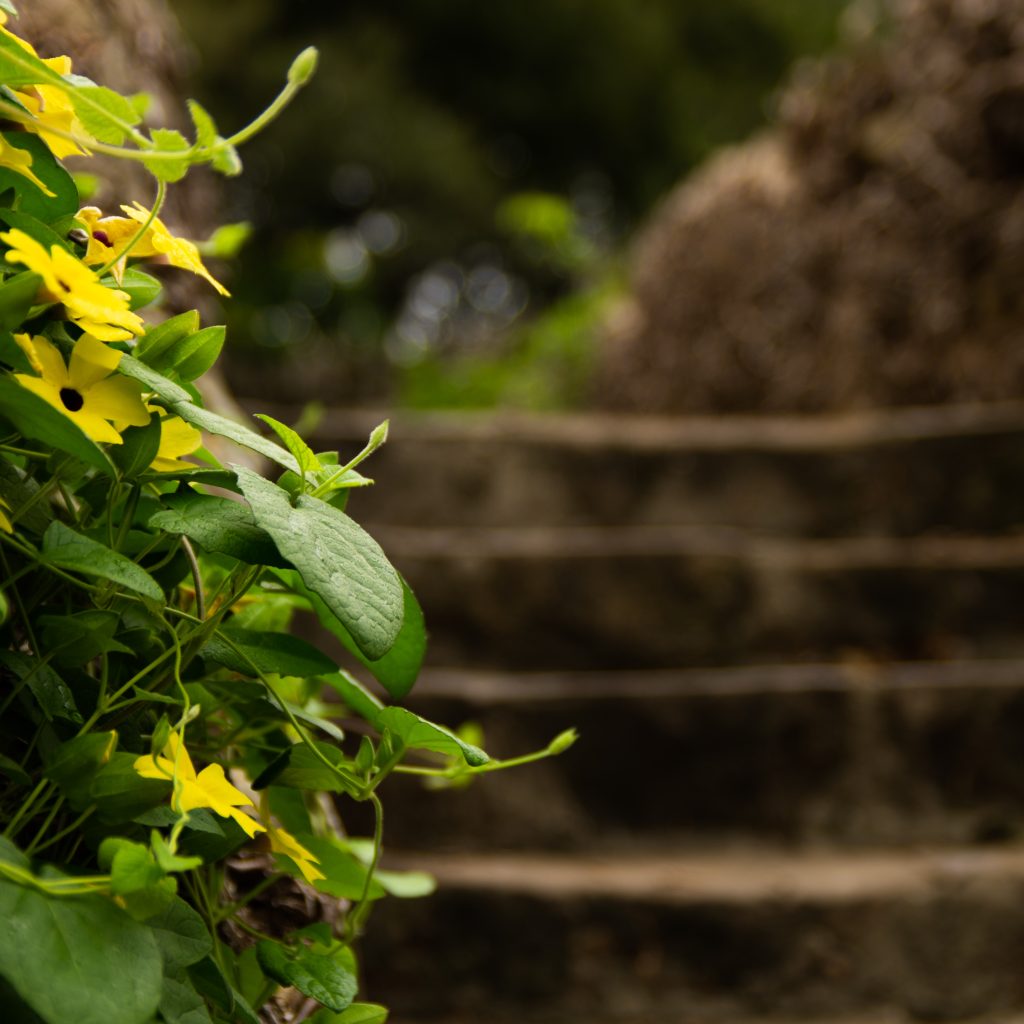
There is a place tucked inside Brackenridge Park on the near north side of San Antonio that feels less like a city attraction and more like a secret the locals have been quietly keeping to themselves. The Japanese Tea Garden is one of those rare urban escapes that genuinely stops you in your tracks the moment you pass through its stone archway and descend into a sunken world of koi ponds, cascading waterfalls, and mossy limestone grottos. It is beautiful in a way that is almost hard to explain until you are standing there yourself.
The garden’s history is as layered as the landscape itself. The site was originally a quarry that supplied limestone for city buildings in the early 1900s. In 1917, city parks commissioner Ray Lambert had the vision to transform this abandoned industrial pit into something remarkable. Japanese immigrants, particularly the Jingu family, helped shape and tend the garden for decades, and their influence is still felt in every carefully placed stone lantern and arching footbridge. The garden was renamed during World War II and the Jingu family was displaced — a painful chapter — but the space was eventually restored to its original name in 1984, and today it stands as both a horticultural treasure and a quiet monument to resilience.
Walking through the grounds, you will follow winding paths that lead you past tiered rock formations draped in ferns and native plants. The centerpiece waterfall tumbles down the old quarry walls with a steady, calming roar that drowns out the city completely. Children lean over the bridges to watch enormous koi glide through the clear water below, and photographers set up at every turn trying to capture light filtering through the bamboo. Even on a busy Saturday morning, something about the layout — the way the sunken terrain creates a natural enclosure — makes it feel peaceful.
At the top of the garden, the historic Jingu House has been reimagined as a charming open-air café where you can order hot tea, fresh juices, and light bites. Sipping a cup of oolong while overlooking the koi pond on a cool morning is one of those simple San Antonio pleasures that never gets old. Admission to the garden itself is free, though there is a small charge to enter certain sections, making this an accessible outing for families, solo visitors, and couples alike.
Plan to spend at least an hour, though most people linger longer than they expect. Wear comfortable shoes — the stone paths can be uneven — and visit on a weekday morning if you want the place nearly to yourself. The Japanese Tea Garden sits at 3853 North St. Mary’s Street, right alongside the San Antonio River in Brackenridge Park, with free parking nearby.
San Antonio has no shortage of things to see and do, but the Japanese Tea Garden has a quality that most attractions cannot manufacture: it feels genuinely timeless. One visit and you will understand exactly why generations of San Antonians return here again and again, each time finding something new to appreciate in its quiet, layered beauty.