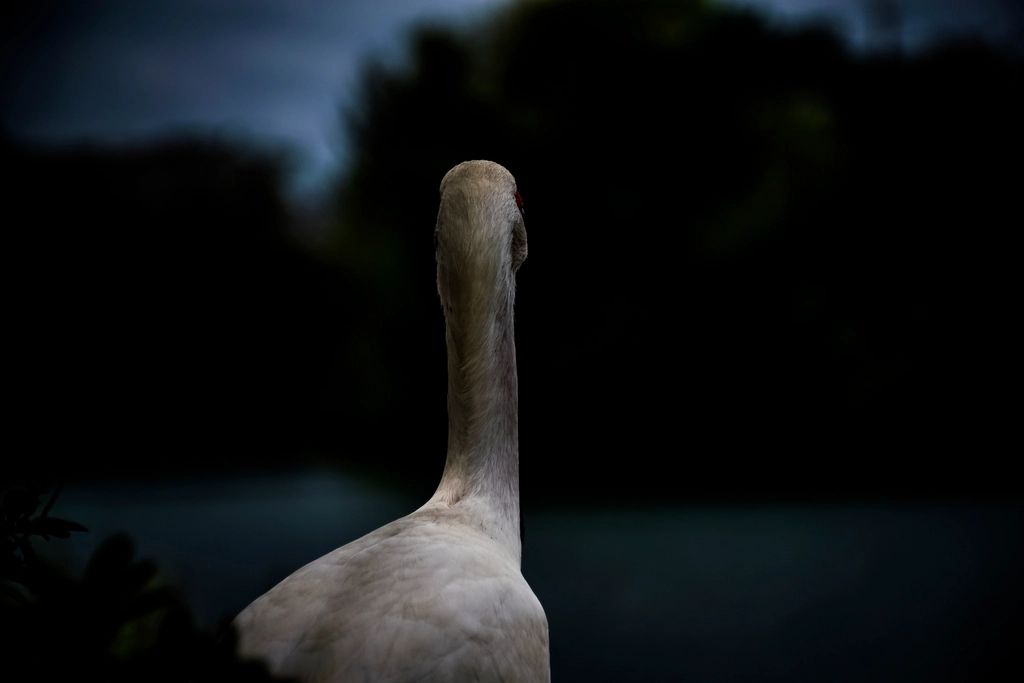
There is a moment, somewhere between watching a white rhinoceros graze thirty feet away from you and catching the liquid gaze of an Aldabra giant tortoise, when you realize that Zoo Miami is not like any zoo you have visited before. This is not a collection of animals in boxes. This is a 750-acre living landscape where the animals and the subtropical environment feel like they belong together — because, in many cases, they genuinely do.
Tucked into the Richmond Heights neighborhood in southwest Miami-Dade, Zoo Miami sits far enough from the tourist corridors of South Beach and Brickell to feel like a genuine local discovery. And yet it is the largest zoo in Florida and one of the largest in the entire country. That fact alone should get you in the car.
What sets Zoo Miami apart, above almost everything else, is its climate. Miami’s tropical weather means the zoo does not need to simulate warm environments for its animals — the environment simply is warm. African savanna species, Asian forest dwellers, and Amazonian wildlife all thrive here in ways that cold-weather zoos can only approximate. Walk through the Africa section on a breezy morning and the giraffes stretching their necks toward acacia trees against a backdrop of open sky will stop you cold. It feels cinematic, except it is entirely real and entirely in front of you.
The zoo is organized into distinct continental regions — Africa, Asia, and the Americas — and each one rewards a slow, unhurried walk. Families with young children gravitate toward PAWS, the children’s zoo area, where hands-on animal encounters and splash zones make for genuinely joyful afternoons. If you have older kids or you are traveling as adults, do not skip the Wings of Asia aviary, a mesh-enclosed forest habitat where dozens of rare bird species fly freely around you. It is the kind of immersive experience that earns its fifteen minutes of quiet wonder.
Plan to arrive when the gates open at ten in the morning, especially if you are going between May and October. Miami afternoons in summer are serious, and the animals tend to be most active in the cooler morning hours anyway. Bring water, comfortable shoes, and more sunscreen than you think you need. The zoo covers serious ground, and the tram service that circles the property is a worthwhile investment if you have younger legs in tow or simply want to get oriented before exploring on foot.
Food options on-site range from casual counter service to a sit-down café, and the quality has improved considerably in recent years. The portions are generous and the prices are reasonable by theme-park standards. Pick up something cold and find a shaded bench near the flamingo lagoon — that particular lunch setting is hard to beat.
Zoo Miami also operates a robust conservation program, including breeding initiatives for endangered Florida species like the Florida bonneted bat and the wood stork. Knowing that your admission directly supports those efforts adds a layer of meaning to the visit that sticks with you long after you have driven home.
Whether you are a Miami resident who somehow has not made the trip yet or a visitor looking for one full day of authentic, awe-inspiring Florida experience, Zoo Miami delivers in a way that surprises nearly everyone who walks through the gate. Go on a weekday if you can, give yourself at least four hours, and prepare to leave with a few dozen photographs and a renewed appreciation for the sheer, staggering variety of life on this planet.