There is a moment, standing inside a 170-year-old woolen mill building in the heart of Salem, when the past stops feeling distant. The smell of aged timber, the heft of cast-iron machinery, the sound of the millrace water running just outside — it all pulls you in, and suddenly you understand why Oregon became Oregon. That moment happens at the Willamette Heritage Center, and it is worth every mile of the drive to get here.
Tucked along the banks of Mill Creek in Salem’s historic downtown district, the Willamette Heritage Center occupies a sprawling five-acre campus that once powered the Thomas Kay Woolen Mill, one of the oldest surviving textile mills in the American West. The complex dates to the 1880s, and the buildings have been lovingly preserved rather than simply restored — meaning you see the wear, the patina, the honest evidence of hard work that shaped an entire region’s economy. This is not a sanitized theme-park version of history. It is the real thing.
The main mill building is the centerpiece, and walking through it feels like stepping into a working 19th-century industrial world. Original looms, carding machines, and spinning equipment are displayed with context and care, and interpretive signage is genuinely engaging rather than dry or academic. The staff and volunteers here clearly love what they do, and their enthusiasm is contagious. On many weekdays you can catch a living history demonstration that brings the machinery back to brief, noisy, wonderful life.
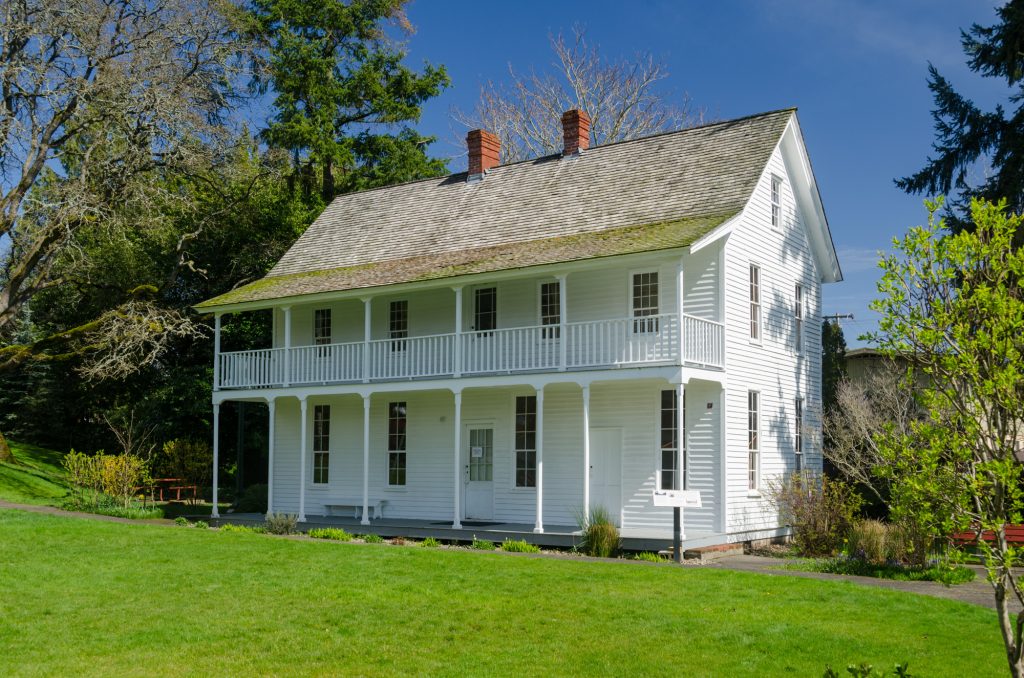
Beyond the mill itself, the campus includes the 1841 Jason Lee House, one of the oldest American-built structures in the Pacific Northwest, as well as the Methodist Parsonage and a print shop that will delight anyone who has ever loved the smell of ink on paper. Each building adds another layer to the story of Oregon’s settlement, told without the usual pioneer-mythology gloss. The center takes an inclusive, nuanced approach to history that feels refreshing and current.
The Mission Mill Museum Shop is a genuinely good place to browse — locally made goods, books on Oregon history, and handcrafted textiles that nod to the mill’s legacy. Plan to spend at least two hours on the campus, more if you are the kind of person who reads every placard (no judgment — that is exactly what you should do here).
Admission is reasonably priced, parking is easy, and the grounds are stroller and wheelchair accessible. The Willamette Heritage Center sits just a short walk from downtown Salem’s restaurants and coffee shops, making it a natural anchor for a full day in the city. Come for the history, stay for the quiet sense of wonder that settles over you when a place is tended with genuine pride.