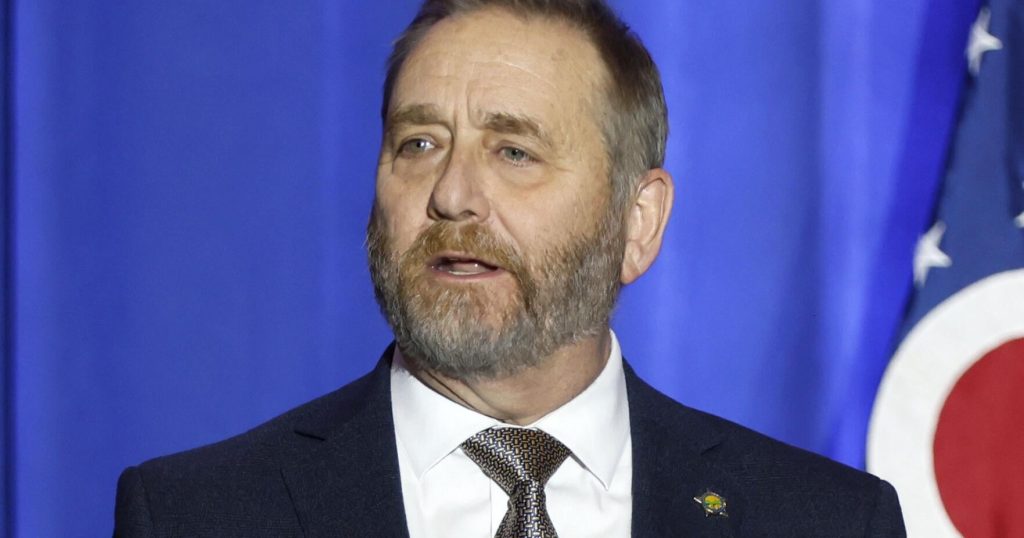
Ohio Republican Attorney General Dave Yost is stepping down effective June 7, a move in Columbus that shifts the state’s leadership timeline and raises questions about how the attorney general’s office will handle the rest of the year. This decision lands squarely in Ohio and puts a spotlight on the transition ahead for Republican officials and voters across the state. The change is timed months before the usual election cycle would force broader turnover, so it matters for policy, courtroom priorities, and who will steer the office next.
Dave Yost’s resignation is straightforward on its face: an elected attorney general leaving before his term ends. For Republicans in Ohio, transitions like this are moments to reinforce effective governance and to ensure continuity. The attorney general’s office handles lawsuits, defends state law, and sets legal priorities that affect everything from business regulation to law enforcement cooperation.
When an attorney general departs midterm, the mechanics of replacement and the optics both matter. Ohioans will watch how state leaders coordinate the handoff, and Republican officeholders will want a smooth, predictable process that keeps the rule of law steady. Courts and ongoing cases cannot be paused to suit politics, so clear leadership during the switch is essential.
Practically speaking, agency staff, outside counsel, and local law enforcement partners pay close attention to who signs off on litigation strategy and enforcement directives. The AG’s decisions have ripple effects on lawsuits against the federal government, on consumer protections, and on criminal justice priorities. A controlled transition minimizes disruption to those responsibilities.
This change also carries electoral undertones, even if the move itself isn’t an electoral gambit. Leaving before a term ends means party leaders must consider short-term appointments and longer-term candidate positioning. Republicans who want to hold or expand influence in Columbus will be thinking about reputation, readiness, and messaging as they prepare for whatever comes next.
From a Republican perspective, the opportunity here is to emphasize experience, steady leadership, and fidelity to Ohioans’ interests. That means prioritizing cases that protect state sovereignty, defend parental rights in education when applicable, and safeguard small businesses from overreach. The attorney general’s office is a platform for those priorities, and preserving their momentum during a transition is a central concern.
There are practical actions that will matter in the coming days: ensuring briefs are filed on schedule, keeping staff morale intact, and maintaining communication with sheriffs and prosecutors across the state. Ohio’s legal teams will need to know who will be their point person, and courts will want assurances that representation remains constant. Competence trumps chaos in these situations.
Public reaction will vary, but Republican officials have a chance to frame the narrative around stability and respect for the office. If leaders present a clear plan for succession and a commitment to ongoing priorities, voters are likely to respond more to competence than to speculation. The real test is keeping the public safe and the law enforced without interruption.
Dave Yost’s decision to resign ahead of schedule changes the timeline but not the stakes: the attorney general’s role still demands steady hands and clear legal judgment. For Ohio’s Republican policymakers and voters, the focus now is on ensuring the transition protects citizens, supports law enforcement, and keeps the state’s legal agenda moving forward. The coming weeks will show whether that promise is kept.