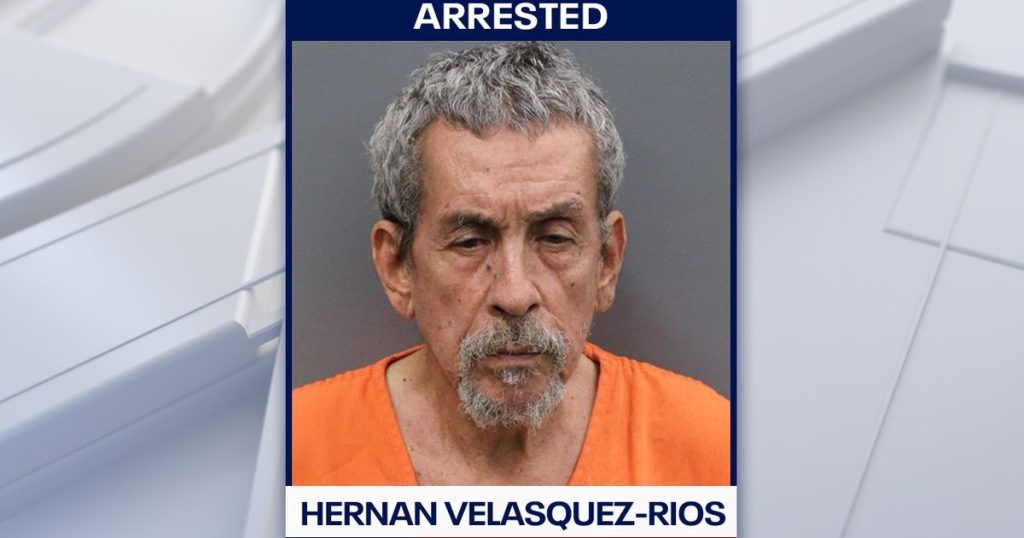
A 71-year-old Tampa man is now facing additional felony charges after the Tampa Police Department says investigators found evidence tying him to the sexual abuse of multiple children spanning more than a decade. The case, as described by law enforcement, opened new questions about how long the alleged abuse persisted and what investigators uncovered in the course of their work. Local authorities say the findings prompted new charges while the investigation continues.
Tampa police outlined that their detectives dug through years of material and testimony before deciding to bring more serious counts. The department did not release the man’s name in the initial public update, but stressed the breadth of the alleged conduct and the timeframe investigators examined. Officials also noted that developments came after follow-up interviews and evidence reviews turned up links to multiple minors.
Authorities say the expanded charges reflect evidence suggesting patterns that reached back over more than ten years. That kind of timeline complicates investigations because records and memories fade, electronic records get deleted, and witnesses move. Still, detectives told reporters they were able to trace connections that justified the new felony filings.
Prosecutors will review the evidence and decide whether to pursue the additional counts in court. Filing additional felony charges often means investigators feel confident they have corroborating material, but it does not determine guilt. The accused retains the presumption of innocence as the legal process unfolds through arraignment, pretrial hearings, and possibly a jury trial.
Cases involving alleged child sexual abuse can be especially difficult for everyone involved. Victims and families may face trauma and stigma, while investigators must balance protecting potential victims, preserving evidence, and ensuring proper legal procedures. Tampa Police Department representatives said they are coordinating with victim advocates to connect people to support services without offering specific names or details publicly.
Community reaction in neighborhoods touched by such allegations tends to be intense and anxious. People want quick answers, but investigators emphasize the need to follow the facts where they lead. Law enforcement often asks anyone with information to come forward so detectives can build the clearest possible picture of past events and identify any ongoing risks.
Defense attorneys in these cases commonly challenge the sufficiency and reliability of long-ago evidence, especially when charges span many years. They may argue that memory fades, witnesses conflate events, or that evidence has been mishandled. Prosecutors counter by presenting corroborating documents, records, forensic data, or testimony from multiple independent sources.
While the investigation continues, authorities remind the public that charges are allegations until proven in court. The Tampa Police Department said it will release additional information as cases progress and as legal constraints allow. For now, the focus remains on the ongoing probe, the welfare of alleged victims, and the next legal steps that could take the matter into the courtroom.