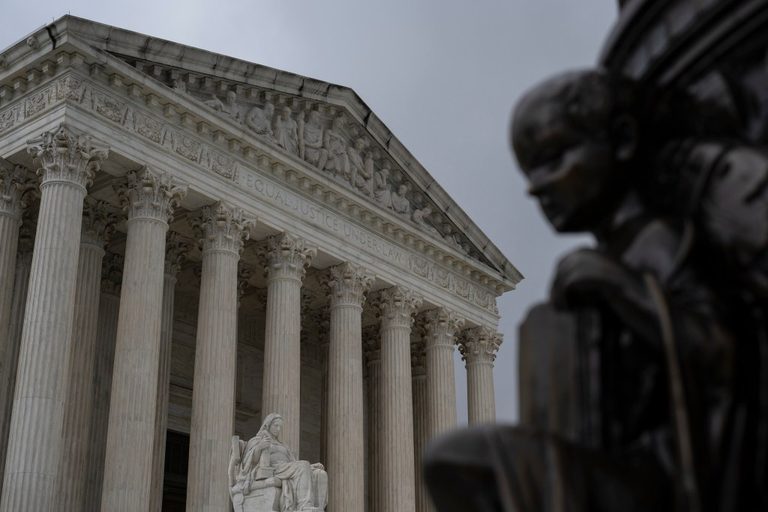
The U.S. Supreme Court on Monday rejected Texas death row inmate Charles Flores’ efforts to force the state’s highest criminal court to reconsider his appeal. Flores argued that his 1999 conviction should be overturned under the Texas “junk science” law because testimony from a key witness was improperly influenced by hypnosis performed by a police officer who was investigating the murder of 64-year-old Elizabeth “Betty” Black in Dallas County.
Background of the Case
Jill Barganier, one of Black’s neighbors, saw two men enter Black’s house the morning of the murder. Hoping to improve her recollection, Barganier asked investigators to place her under hypnosis. Alfredo Roen Serna, a Farmers Branch police officer, complied despite having never before performed hypnosis, Flores told the Supreme Court. Before the hypnosis session, Barganier told police both men entering Black’s house were white and had short hair. According to the petition, Flores, a Hispanic man, had long hair at the time of the crime.
In addition, Barganier did not identify Flores in a photo lineup. It was only when Barganier took the witness stand that she identified Flores as one of the two suspects. A law passed by the Texas Legislature in 2023 said evidence gathered through “investigative hypnosis performed by a law enforcement agency” was inadmissible in court.
In 2016, the Court of Criminal Appeals granted Flores a stay of execution due to questions raised about Barganier’s hypnosis, but the attempt to overturn the conviction based on the junk science law was ultimately unsuccessful.
Original reporting: Texas Tribune (HLL/CB) — read the source article.