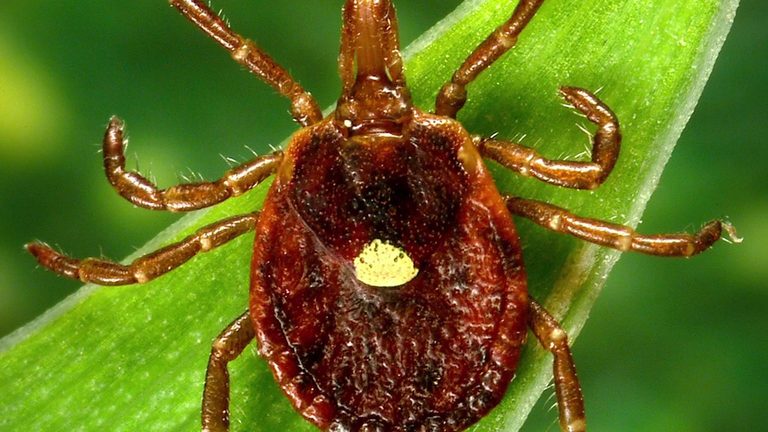
A life-threatening meat allergy triggered by tick bites is on the rise. Alpha-gal syndrome, which affects roughly 450,000 Americans, is caused by an allergic response to a type of sugar found in the meat of most mammals. The condition was first linked to a particular species of ticks about 15 years ago, but cases are increasing as more people report symptoms such as hives, diarrhea, and itchiness after eating meat.
What is Alpha-Gal Syndrome?
Alpha-gal syndrome occurs when the human immune system triggers an allergic response to a type of sugar, known as alpha-gal. This sugar is found in the meat of most mammals, but not in humans or other primates. It is also found in the saliva of certain ticks. When ticks bite through the skin, they can introduce the sugar directly into the bloodstream, triggering the development of antibodies that quickly learn to identify and attack alpha-gal sugar molecules.
People who develop the antibodies will often experience a strong allergic reaction a few hours after consuming meat or dairy. However, it can take weeks or months for the problem to develop, with the severity of symptoms often increasing over time. Experts point to increased awareness among health professionals and the public as a reason for the rise in reported cases.
Treatment and Prevention
The standard treatment for alpha-gal syndrome involves avoiding foods that come from cows, pigs, and lambs, while carrying an epinephrine injector in case of a medical emergency. Regulators recently approved the first drug for the condition, and more therapies may be on the way. Researchers are also studying other previously approved drugs as new options for patients.
People with the syndrome may also have to avoid certain medical products and implants, such as heart valves made from cow or pig parts. The allergy can fade away in some people after several years, but it is critical to avoid new tick bites.
Original reporting: Dallas TX News (HLL/CB) — read the source article.