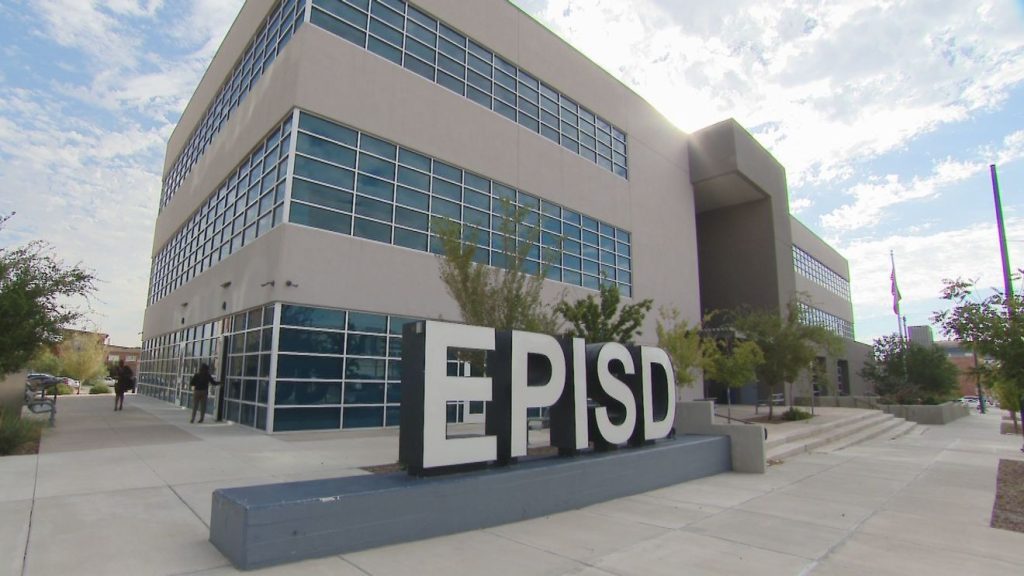
El Paso Independent School District’s chief financial officer resigned on Thursday as the district works to address budget shortfalls and broader financial pressures in El Paso, Texas. This article walks through what that means for schools, staff and families, why the vacancy matters right now and what the district will likely face in the weeks ahead. It names the district and the city so readers know where decisions and impacts will land. Expect a close look at fiscal options, internal controls and community expectations.
The resignation landed in the middle of a budgeting squeeze that has school leaders scrambling. El Paso Independent School District’s chief financial officer resigned on Thursday as the district works to address budget shortfalls and broader financial pressures. Losing the person who oversaw day to day numbers makes the problem feel more urgent, even if the underlying issues were building for months. Staff will have to stabilize operations while the board figures out next steps.
Budget shortfalls show up in predictable ways: frozen positions, pushed back maintenance, and pressure on after school programs. In many districts, declining enrollment, rising payroll costs and unpredictable state and federal funding combine to create gaps that are hard to close fast. El Paso faces similar realities, where every dollar shifted toward basic operations tightens the options for enrichment, athletics and student supports. Those trade offs are painful for families and teachers who see programs cut or classrooms grow larger.
The immediate challenge is administrative. Without a permanent chief financial officer, the district needs an interim leader with accounting chops and a firm hand on internal controls. An experienced interim can keep payroll running, shepherd audits and help the district present a credible plan to the school board and state officials. At the same time, hiring a new CFO takes time, and the district must avoid making hasty choices that leave it exposed to future compliance problems or surprises in the audit ledger.
Accountability and transparency will be front and center as parents and taxpayers sort through consequences. School boards that face fiscal uncertainty often answer with spending freezes, public budget workshops and third party reviews to rebuild trust. El Paso Independent School District will likely need to show how every cut or reallocation supports classroom priorities and protects statutory requirements. Clear, regular communication will be essential to prevent misinformation and manage community anxiety.
There are practical tools the district can use to steady the ship: multi-year budget planning, targeted program evaluations, and aggressive grant pursuit are common steps. Benchmarking against peer districts and engaging an external auditor to review fiscal controls can also help identify quick wins and systemic risks. Federal relief funds and one-off grants can buy breathing room, but long term stability depends on realistic revenue assumptions and disciplined spending plans that match local priorities.
For families and staff in El Paso, the resignation is a reminder that school finances matter at the classroom level. Hiring the right financial leader, committing to transparency and pressing for a credible multiyear plan are the first moves the district needs to make. The coming months will reveal whether the board can turn a jolting personnel change into a reset for better fiscal management and stronger protections for classroom programs. The stakes are straightforward: steady finances, stable learning environments and clear answers for the community.