There are museums, and then there are places that genuinely stop you in your tracks. Gilcrease Museum, tucked into the rolling hills of northwest Tulsa near the Osage Hills neighborhood, is firmly in the second category. From the moment you walk through its doors, you sense that something rare is happening here — a collection so focused, so lovingly assembled, that it feels less like a civic institution and more like a personal obsession made permanent for the rest of us.
The museum holds what many scholars consider the world’s most comprehensive collection of art and artifacts related to the American West and Indigenous peoples of the Americas. That sounds like marketing language until you actually stand in front of a Frederic Remington bronze, or find yourself face-to-face with an Albert Bierstadt landscape so large and luminous it practically generates its own weather system. Then it becomes simply true.
Thomas Gilcrease, the museum’s founder, was a Creek Nation citizen and oil magnate who spent decades acquiring pieces that told the full, complicated story of the American continent — long before that kind of curatorial vision was fashionable. His collection spans more than 350,000 items: paintings, sculptures, rare manuscripts, maps, and archaeological artifacts dating back 12,000 years. Walking through the galleries feels like reading a sweeping novel where every chapter reveals something you didn’t know you needed to know.
The museum completed a significant renovation and expansion in 2023, and the results are stunning. New gallery spaces are thoughtfully designed, with natural light used to extraordinary effect. The layout encourages you to wander rather than march, and that wandering almost always leads to a discovery — a Thomas Moran watercolor you weren’t expecting, a collection of Indigenous beadwork that commands its own quiet corner, a display of frontier-era documents that make history feel disturbingly immediate.
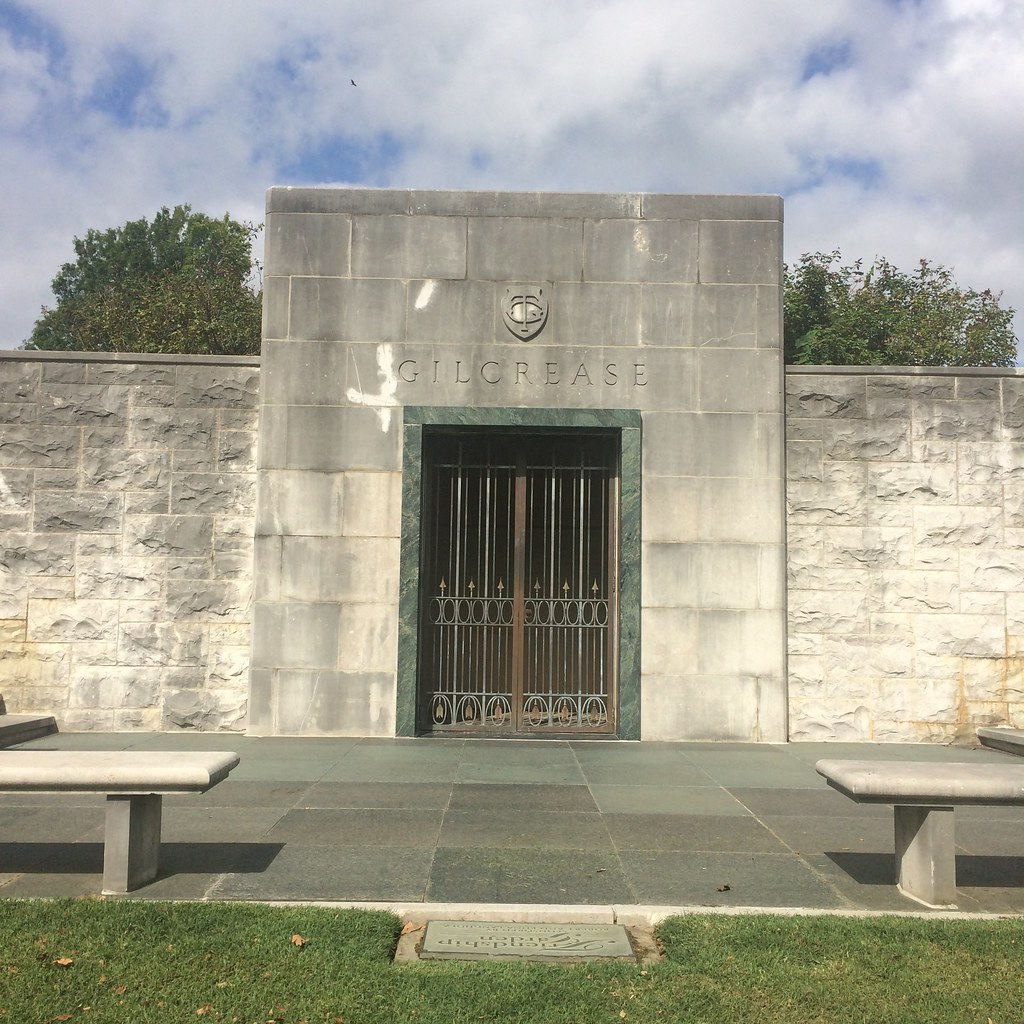
Beyond the galleries, the grounds themselves are worth the visit. The historic gardens cascade down terraced hillsides with views of the Tulsa skyline in the distance, and the restored Gilcrease home sits on the property as a reminder of the man behind the collection. On a clear afternoon, it’s one of the most genuinely peaceful spots in the city.
Admission is affordable, parking is easy, and the museum’s café is a perfectly decent spot to recharge before diving back in for a second pass through the galleries — because you will want a second pass. Plan for at least two to three hours, though the kind of visitor who loves American history, Indigenous culture, or Western art could easily spend a full day here and leave wishing they had more time.
Tulsa has a lot going for it, but Gilcrease Museum is one of those places that genuinely earns the word world-class. It belongs on any serious itinerary, and it will reward you every single time you come back.