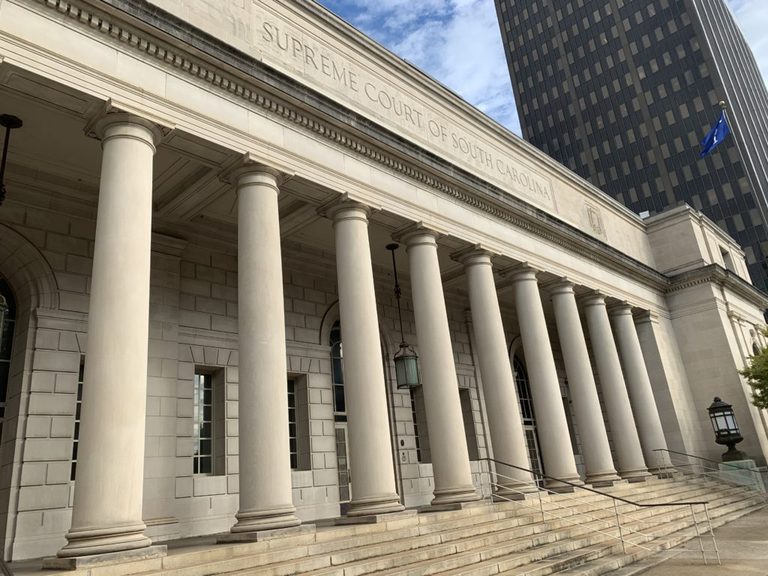
Less than two weeks after the South Carolina Supreme Court issued a decision preserving the state’s asbestos docket, corporate defendants are asking the court to take another look. In separate petitions for rehearing, attorneys representing two defendants argued the high court overlooked key constitutional, jurisdictional, and procedural issues in upholding the receivership structure surrounding Cape Intermediate Holdings Limited (CIHL).
A Constitutional Collision?
The petitions marked the first response to the supreme court’s May 27, 2026 opinion in Tibbs v. Asbestos Corporation Limited, a ruling which largely validated the asbestos docket’s increasingly aggressive use of pre-judgment receiverships. The defendants are warning this decision could place South Carolina courts on a collision course with federal constitutional law, foreign courts, and even a recent federal appellate ruling involving the same receiver.
The centerpiece of the Altrad petition is a claim that the supreme court failed to consider a recent decision from the U.S. third circuit court of appeals involving the receiver. According to the filing, the third circuit concluded that constitutional limitations prevented a South Carolina receiver from exercising corporate decision-making authority over companies organized outside South Carolina – at least not without approval from the courts where these companies were actually incorporated.
Challenging the Foundation
Meanwhile, the Charter petition attacked a different aspect of the opinion, arguing the supreme court misunderstood the underlying record when it concluded CIHL was the proper entity at issue in the litigation. Those defendants argued the trial court never actually substituted CIHL as a defendant in the Tibbs litigation – and never cured what the supreme court characterized as a mere naming issue.
The filings underscored the high stakes surrounding South Carolina’s asbestos docket – and the increasingly aggressive legal battle over the authority of court-appointed receivers. The supreme court’s original ruling preserved a system that critics argue has become one of the most powerful and least understood components of South Carolina’s civil justice landscape.
Original reporting: FITSNews — read the source article.