State environmental regulators in Texas are preparing to take another critical step toward allowing treated oilfield wastewater to be spread on Texas farmland, a proposal that supporters say could help the state’s water supply needs and critics warn could expose communities and agricultural land to contaminants if not treated properly.
Background
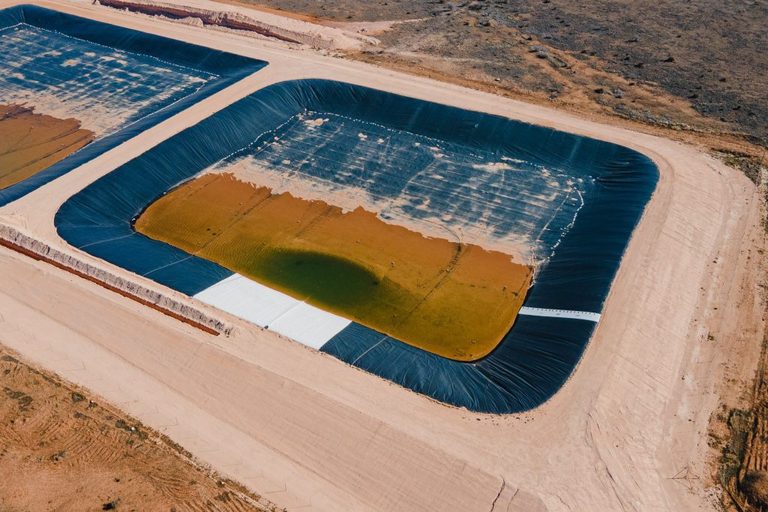
The oil and gas industry generates enormous quantities of produced water, with researchers estimating that operators produce roughly 20 million barrels of wastewater every day in Texas. Managing that waste stream has become one of the industry’s most persistent environmental and economic challenges.
Lawmakers have invested millions of dollars in studying the wastewater generated during oil and gas extraction and learning how to clean it. They’ve directed the Texas Commission on Environmental Quality (TCEQ), the state’s environmental regulator, to lead the charge in setting water quality guidelines to make reusing produced water possible.
Proposed Rules
The proposed rules would determine how clean this water will need to be before it can be applied to agricultural land, used for industrial cooling or other uses. Under the proposal, facilities that apply produced water would be regulated through an existing wastewater permitting framework and need to follow the same standards as traditionally used for municipal and industrial wastewater facilities.
The rules require testing for salts, nitrate, E. coli, and other bacteria. Applicants would also have to demonstrate through a self-reported technical report that their projects protect groundwater resources and drinking water supplies.
Concerns and Next Steps
Environmentalists argue the proposed requirements should set up water quality standards specifically for produced water rather than relying largely on existing rules designed for municipal sewage and other industrial wastewater streams. The TCEQ is scheduled to hold a virtual and in-person public hearing on June 15 at 10 a.m., where Texans can comment on the plan.
Original reporting: Texas Tribune (HLL/CB) — read the source article.