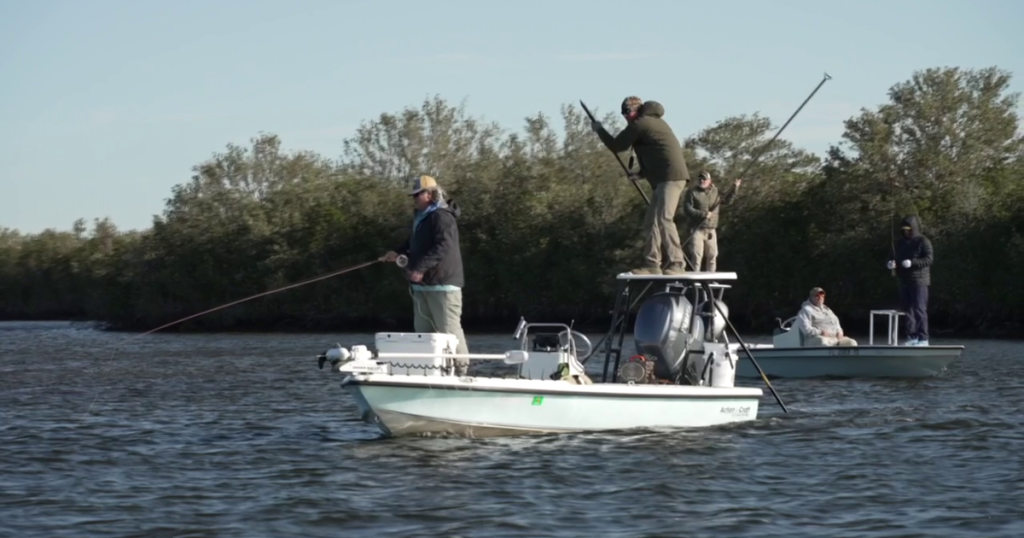
Tampa veterans are finding quiet recovery through Project Healing Waters, a national nonprofit that runs a Bay Pines/Tampa chapter meeting at American Legion posts and organizing outings across Florida and beyond. The program traces its roots to Walter Reed Army Medical Center and now offers fly-casting, fly-tying and rod-building to vets of all eras, with local coordinator Brian Shroyer helping run meetings in Tampa. FOX 13 reporter Mark Wilson covered how the simple rhythm of casting and the company of fellow service members can change the day-to-day for people wrestling with wounds both seen and unseen.
Project Healing Waters connects veterans to the outdoors and to each other by teaching practical skills and creating routine. Participants learn fly-fishing basics, fly-casting techniques and the delicate craft of tying flies, and are invited to build rods and participate in clinics. The organization provides equipment free of charge, lowering the barrier to entry for veterans who might not otherwise try the sport. That hands-on access means the emphasis is on participation, not performance.
The program in Tampa meets in community spaces to foster a sense of belonging rather than a clinic feel. Local gatherings happen at American Legion Post #139 in the evenings on the second and fourth Monday of each month, with another meeting at American Legion Post #252 on the second and fourth Wednesday at midday. Those predictable meeting times give veterans a reliable place to show up and to practice skills with peers. Having that steady rhythm matters as much as the instruction, because recovery often depends on small, repeatable actions.
From its beginning at Walter Reed, Project Healing Waters has focused on wounded service members returning from combat zones in recent conflicts, and the program has expanded into VA centers and community chapters nationwide. The group’s model blends mentorship with social connection, pairing more experienced anglers with beginners to teach casting and knots while conversations about life outside the uniform happen naturally. Veterans who might be skeptical about therapy or group counseling often respond positively to the low-pressure environment on the water. That organic bonding can lead to stronger local support networks.
Beyond classroom nights, the Bay Pines/Tampa chapter organizes fishing outings that range from one-day trips to multi-day excursions, both in Florida waters and farther afield. Those outings are structured to be inclusive, offering opportunities for vets of varying mobility and experience levels to get on the water. Time spent fishing becomes a portable therapy session where focus shifts to method and movement, and participants gain a sense of achievement when a knot holds or a cast finds its mark. The camaraderie forged on a boat or riverbank often translates into real-world friendships.
Skills like fly-tying and rod-building provide tangible goals and a creative outlet, and the repetitive, meticulous work can be calming for someone dealing with anxiety or PTSD. Veterans report that the focus required to tie a fly or to plan a cast helps quiet intrusive thoughts and builds a kind of mindful attention that general therapy may not address directly. Mentorship from fellow veterans creates trust quickly, and learning side-by-side with people who understand military service changes the dynamic from teacher-student to peer-to-peer. That matters when the point is healing rather than instruction alone.
Locally, the Bay Pines/Tampa program has taken part in regional events and partnered with nearby chapters to broaden experiences for its members. Those regional outings give veterans the chance to see different environments and to test the skills they practice at home, which can be both empowering and restorative. Organizers emphasize that beginners are welcome and that safety and inclusion are top priorities during trips. Participation begins by contacting the local chapter and attending the regular meetings to learn the basics before joining any outings.
For many participants, the most important thing is not the fish but the people they meet and the time they carve out for themselves. Project Healing Waters in Tampa offers a practical, community-driven path for veterans who want a hands-on approach to recovery, whether that means learning a new craft, building a rod, or simply spending a quiet morning on the water with others who understand. Brian Shroyer and local volunteers keep the focus on accessibility and connection, and the program keeps growing as more veterans discover the steady, healing rhythm of fly-fishing.