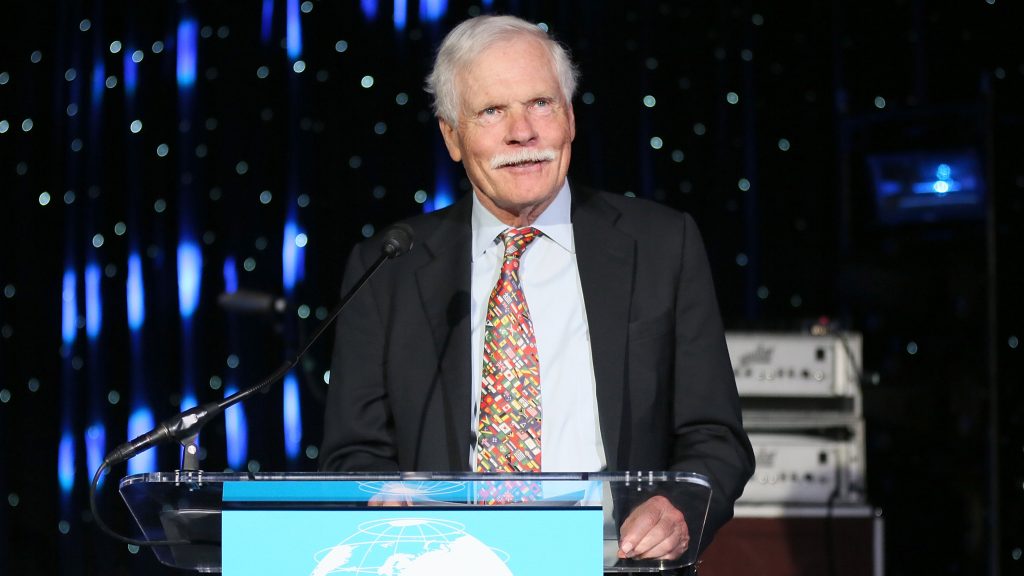
Ted Turner, the Atlanta-born media entrepreneur, turned a regional cable station into a global force and left an unmistakable mark on television. This article traces his rise from a scrappy broadcaster to the founder of CNN, touches on his business moves with TBS and TNT, notes his sports and philanthropic gambits, and follows how those bets reshaped modern media and public life.
Ted Turner started as a small-market broadcaster with big ideas, and he kept pushing until those ideas found an audience. He bought local stations, experimented with programming, and embraced cable when most traditionalists shrugged. That mix of risk-taking and stubbornness set the stage for something no one had tried before.
He conquered the broadcasting industry and reshaped the television landscape with CNN, the first 24-hour cable news network in the U.S. The launch of CNN in 1980 was easy to dismiss at first, a gamble on a round-the-clock news format that many thought would never hold viewers’ attention. Turner stuck with it, betting that immediacy and constant availability would become essential.
Early skepticism gave way to recognition as CNN covered breaking events live and uninterrupted. The network’s real-time approach to stories like the Challenger shuttle disaster and the Gulf War demonstrated the power of nonstop news. Those moments showed audiences the value of continuous reporting and helped cement cable news as a permanent fixture.
Turner was not content with a single network. He built a compact media empire that included TBS, TNT, Turner Classic Movies, and a string of sports and entertainment investments. Owning the Atlanta Braves and the Atlanta Hawks brought the local and national together, folding sports fandom into his broader broadcasting strategy. Each outlet fed the others, and Turner’s name became synonymous with a new kind of national reach coming out of Atlanta.
Business deals and boardroom dramas were part of the playbook. Turner’s enterprises eventually merged with larger studios and media conglomerates, a path that brought both huge payoffs and painful compromises. The Time Warner deal altered control of his holdings and shifted the balance between entrepreneurial freedom and corporate scale, showing how independent visionaries can be absorbed by bigger structures.
Outside of media, Ted Turner made big philanthropic gestures that drew as much attention as his ratings battles. He committed substantial funds to environmental causes and global initiatives, founding the United Nations Foundation with one of the largest private donations to the UN at the time. His conservation investments and public advocacy for wildlife and land preservation matched the grand scale of his business ambitions.
Turner’s personality was part of the package: opinionated, impulsive, and often larger than life. He courted headlines with colorful statements and unconventional moves, and that visibility kept him in the public conversation even when networks shifted. Critics pointed to excesses and questionable decisions, but his instincts for spectacle and disruption are impossible to ignore.
Even as the media landscape moves toward streaming, algorithms, and on-demand consumption, the idea of instant, nonstop information that Turner popularized remains central. Networks still chase breaking news, streaming services still scramble for live events, and journalists still measure reach in real time. Whatever comes next, the structures Turner helped build continue to shape how we watch, listen, and respond to the world.