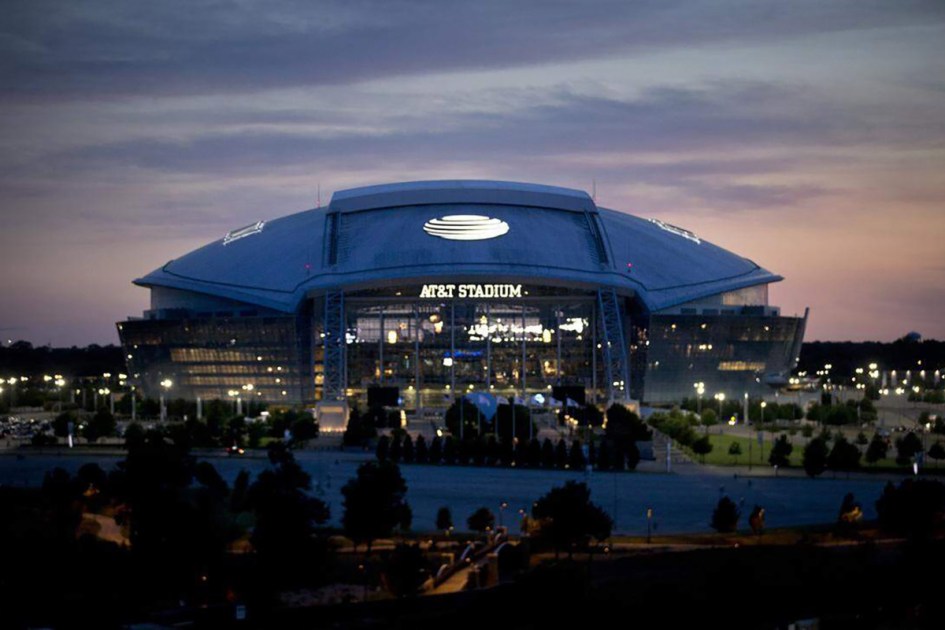
A survey of hoteliers in the Dallas area and Houston shows that expected demand for the upcoming tournament is not materializing into firm hotel bookings with less than 40 days to go. Hotel operators in both cities report empty room blocks, softer group interest and a booking curve that skews much later than usual. That disconnect is forcing revenue managers and local stakeholders to rethink pricing, marketing and contingency plans as the event approaches.
Hoteliers say early indicators pointed to a strong season, but walk-up business has been lighter than forecasts assumed. In many Dallas and Houston properties, block holds for teams, fans and corporate attendees remain underfilled and inventory is still widespread. That leaves revenue teams with a short window to convert awareness into contracts and actual reservations.
Part of the gap traces to shifting booking patterns. Where groups and leisure travelers often locked in rooms weeks out in past years, many buyers are now waiting until the last possible moment to commit. That behavior makes forecasting harder and forces hotels to juggle rate integrity against the risk of empty nights.
Airfares and ground logistics are tightening the timetable as well. If flights are expensive or schedules look inconvenient, casual attendees often decide not to travel or opt for day trips instead of hotel stays. For major tournaments, spectators also weigh lodging cost against the overall price of attendance, and when hotels hold firm on higher rates, prospective guests sometimes postpone booking or look elsewhere.
Competition from alternative accommodations is complicating the picture around both Dallas and Houston. Vacation rentals, extended-stay options and home-sharing platforms are grabbing attention from groups hunting value or flexible cancellation. That diversity of choice means hotels must sharpen their pitches and reinforce the advantages of security, service and proximity to venues.
Local businesses and tourism partners are watching the booking curve closely because hotel occupancy drives ancillary spending on dining, transport and entertainment. A softer-than-expected performance in Dallas and Houston could ripple into nearby restaurants and retail districts that count on tournament traffic. That adds pressure on hotel sales teams to deliver creative packages that bundle experiences and encourage longer stays.
Revenue managers are already testing tactics to close the gap. Short-term promotions, targeted corporate outreach and reworked cancellation policies can help coax tentative bookers into committing. Some hoteliers are also exploring last-minute room release strategies that balance short-term rate drops with the chance of filling unsold inventory without permanently eroding perceived value.
Organizers and city partners still have options to help. Coordinating shuttle services, easing venue access and promoting bundled fan experiences can raise the appeal of staying overnight. In markets like Dallas and Houston, where driving times and venue clusters matter, small logistics wins can translate into meaningful increases in hotel demand.
Hotel operators emphasize that the situation is dynamic: a surge of bookings can arrive once lineup confirmations, ticket releases or corporate announcements land. Until then, hoteliers in Dallas and Houston are keeping their tools ready—adjusting rates, amplifying local partnerships and monitoring the day-by-day booking patterns that will ultimately determine whether predicted demand becomes actual occupancy.