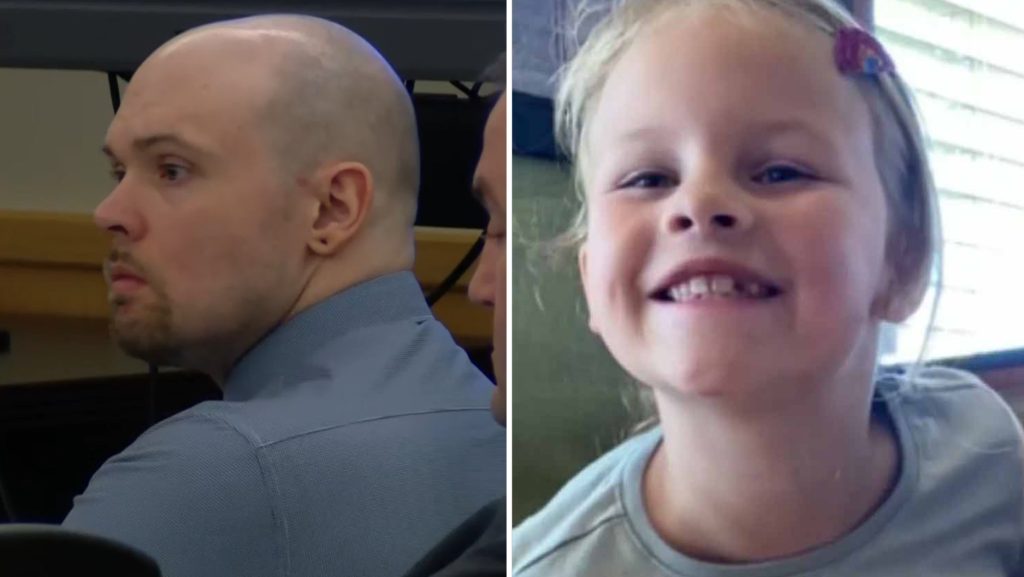
The Athena Strand case ended with a death sentence and left jurors facing heavy emotions and complex aftershocks in the weeks that followed. This piece follows jurors from the courtroom into counseling rooms, outlines what support was offered by court officials and mental health teams, and explains how communities and legal staff are handling the fallout.
The verdict in the Athena Strand trial landed with finality, but the human consequences are not so tidy. Jurors reported a mix of relief, exhaustion, guilt, and lingering images that stuck with them long after they left the courthouse. Those reactions are common in high-stakes trials, and courts have been expanding post-trial resources to meet the need.
Court administrators usually move quickly to offer structured help once a verdict like this is handed down. That can include on-site counseling immediately after deliberations, referrals to licensed therapists, and written materials about coping with stress and trauma. The goal is to make sure jurors aren’t left alone to process what they saw.
Mental health professionals say early intervention matters because jurors can develop sleep problems, anxiety, or symptoms similar to post-traumatic stress. Short-term counseling sessions aim to stabilize reactions and teach simple grounding techniques jurors can use at home. If symptoms persist, therapists recommend follow-up care tailored to each person’s needs.
There’s also a practical side: jurors have to go back to work and ordinary life while the case continues to ripple through their minds. Employers and coworkers often don’t know how to respond, so courts sometimes provide letters that explain the potential need for flexible work arrangements. Confidentiality rules can make communication tricky, so resources typically stress privacy and the limits on what jurors can discuss publicly.
Legal staff and judges are aware that those limits — including gag orders and restrictions on discussing evidence — can complicate healing. Jurors may want to talk about their experience, but they’re legally constrained, and that can feel isolating. Courts attempt to help by offering confidential, nonjudgmental spaces where jurors can debrief without risking breaches of court rules.
Community organizations step in when the courthouse offers only the basics. Faith groups, nonprofit mental health agencies, and veteran peer-support programs often provide free or low-cost counseling and group sessions. These extra options give jurors more choices, whether they prefer one-on-one therapy, small peer groups, or faith-based support.
Families of jurors play an outsize role in recovery, too, because they see the day-to-day changes that come after such an intense civic duty. Relatives can encourage sleep routines, limit media exposure, and gently prompt the juror to seek professional help when needed. Simple, practical support at home often makes the biggest difference in the months following a verdict.
Long-term effects vary widely: some jurors put the case behind them and return to normal life, while others need months of professional work to rebuild emotional equilibrium. Courts and mental health providers are increasingly tracking outcomes to learn what interventions actually help. That data shapes better, more compassionate responses to the human fallout from hard trials.
Being chosen for a trial like Athena Strand’s is a heavy civic obligation, and the systems around jurors are catching up to that reality. When courts, therapists, employers, and communities coordinate, jurors get a clearer path back to everyday life. The work doesn’t erase the strain, but it does give jurors tools to manage it and move forward.