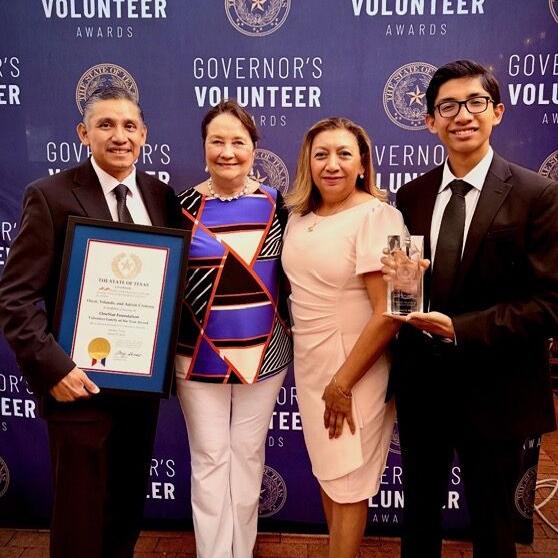
In El Paso, Texas, a family that turned personal loss into sustained neighborhood service has drawn statewide applause for their work across schools, shelters and civic groups. Their journey from grief to action has become a local story about steady commitment, hands-on care and quiet leadership in a city that values community resilience.
Their story begins with a private hardship that could have closed doors and shortened plans. Instead, the family chose a different route: channeling pain into practical help for neighbors who needed a hand, a meal, or someone to listen. That decision grew into regular programs, weekend projects and partnerships that people around El Paso came to rely on when things got tight.
Work took shape in ordinary ways that matter—packed boxes of groceries for struggling households, tutoring sessions for kids who fell behind, and coordinated drives for clothing and school supplies. They showed up for the elderly, helped veterans navigate paperwork, and organized volunteer crews after storms. Those steady, unflashy efforts stitched together a safety net that covered parts of the city where services are thin.
“An El Paso family that turned personal tragedy into years of community service has been named Volunteer Family of the Year by the state of Texas.” That recognition landed with applause from neighbors and nonprofit leaders alike, but the family treats the award as a quiet bookmark rather than a finish line. The honor put a statewide spotlight on small-scale civic work and reminded people how local action changes lives.
What stands out is less the label and more the method: the family focuses on sustaining help rather than chasing headlines. They recruit friends and former neighbors into recurring volunteer shifts, set up simple systems for collecting donations and keep performing the same tasks even when publicity fades. That kind of consistency is what keeps food pantries stocked, mentoring relationships alive and community gardens producing.
Local organizations say the family’s approach multiplied the impact of existing programs. Nonprofit coordinators in El Paso noted that reliable volunteer teams reduce burnout for staff and allow agencies to plan longer-term services. For residents who depend on regular meals, rides to appointments, or mentoring for teens, dependable volunteer schedules translate directly into more stable lives.
Stories from people who received help are small and specific: a single mother who completed job training because someone watched her kids for an afternoon, a high-school student who caught up in math after a few tutoring sessions, a neighbor who recovered from a flood because volunteers cleared debris and repaired a roof. Those everyday recoveries are the currency of the family’s service, and they pile up into a clear pattern of impact across El Paso neighborhoods.
The family is already shifting focus to new projects while maintaining long-running efforts. They are piloting a youth leadership program, deepening ties with local schools, and opening up more structured volunteer training so helpers can scale their contributions safely and effectively. Their next moves look like an attempt to build local capacity rather than to expand the family’s name.