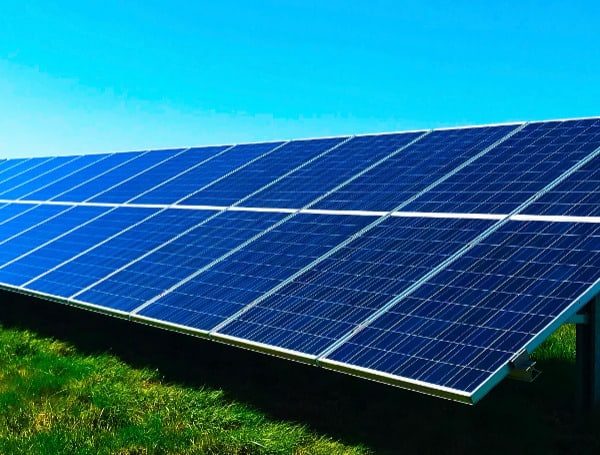
A federal judge in Washington, D.C., has overturned IRS guidelines that limited tax credits for wind and solar energy projects. This decision, issued by U.S. District Judge Colleen Kollar-Kotelly, nullifies Notice 2025-42, which had altered the criteria for when a renewable energy project officially ‘begins construction.’ This date is crucial for developers seeking to qualify for federal tax credits, which are set to expire soon.
Impact on Renewable Energy Sector
The legal challenge was brought by a coalition of environmental and consumer advocacy groups, including the Oregon Environmental Council and the Natural Resources Defense Council. They argued that the guidelines were an unlawful attempt to hinder renewable energy growth. Judge Kollar-Kotelly agreed, stating that the guidelines represented a significant departure from a decade of consistent IRS practice and would lead to higher utility bills and increased pollution.
Environmental advocates have praised the ruling, viewing it as a removal of barriers to affordable clean energy. Nandan Joshi, an attorney with Public Citizen, emphasized that the Trump administration’s policies were unlawfully targeting wind and solar projects, resulting in higher energy costs for consumers.
Broader Implications
This decision is part of a series of setbacks for the previous administration’s energy policies, which have faced multiple legal challenges. The ruling restores previous industry standards, allowing developers more flexibility in proving when a project started, which is critical for securing tax credits.
Local government officials, like San Francisco City Attorney David Chiu, have also welcomed the decision, noting its importance in preventing rising energy prices for Americans. Maryland People’s Counsel David Lapp expressed similar sentiments, highlighting the benefits for utility customers in his state.
For developers, the ruling is a positive development. Jake Schueller of Woven Energy noted that the decision provides crucial flexibility for establishing the ‘start of construction,’ especially for projects on tribal lands where development has heightened implications.
Original reporting: Tampa Free Press — read the source article.