France’s election‑finance framework, far stricter than the United States’, bars wealthy outsiders like Elon Musk from shaping the presidential contest. The rules rely on public funding, cap private donations, and punish overspending, a structure supporters say preserves the integrity of French democracy.
Public money dominates campaign costs
In the 2022 presidential election, the twelve candidates together reported 83.5 million euros in expenses. The state reimbursed just over half of those costs, while political parties covered much of the remainder. Private donations totaled only 9 million euros, illustrating how the system limits the impact of private wealth.
Why the restrictions exist
Scandals in the 1980s, when parties siphoned public contracts and building permits for illicit funding, prompted lawmakers to craft “very detailed and increasingly restrictive” regulations, according to Abel François, a campaign‑financing specialist at the University of Strasbourg. François warned that the rules were introduced “a bit like headless chickens,” but he also acknowledged that the price paid is a less‑exciting electorate.
Spending caps and reimbursement limits
Candidates may spend up to 16.8 million euros before the first‑round vote on April 18 and up to 22.5 million euros if they advance to the May 2 runoff. Those who fail to win at least 5 percent of the first‑round vote receive only a modest reimbursement—about 800,000 euros—making a campaign financially risky.
Those who clear the 5 percent threshold can expect to recoup roughly half of their costs, while the eventual president‑elect and runner‑up may be reimbursed up to 10.7 million euros.
Penalties for exceeding limits
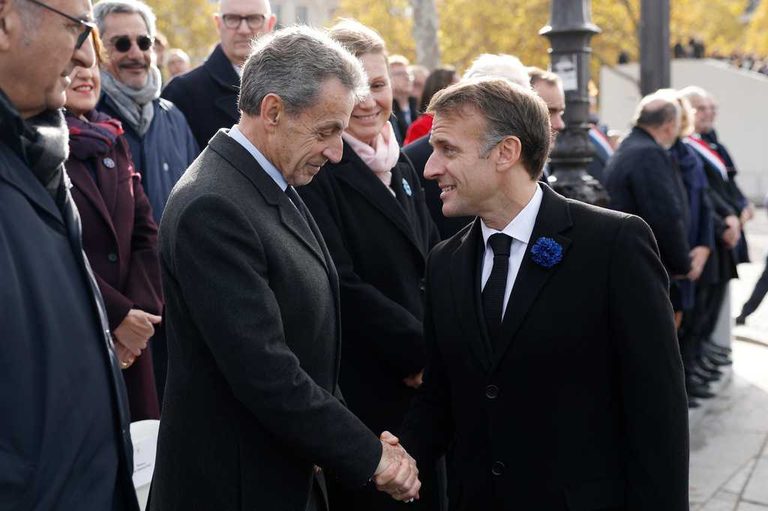
Overspending can lead to prosecution, with violators required to pay the excess amount to the Treasury. Former President Nicolas Sarkozy, currently awaiting an appeals‑court decision, was sentenced to five years in prison for a separate scheme involving Libyan funding and was also convicted of illegal campaign financing for his 2012 bid, which exceeded legal limits by nearly double.
Private funding avenues remain limited
French nationals or residents may donate a maximum of 4,600 euros to a single candidate or spread that amount among several. Companies, associations, and trade unions are barred from making donations or in‑kind contributions. Candidates can still use personal funds, merchandise sales, party dues, and bank loans.
Only European banks may lend to candidates. Marine Le Pen, the front‑runner for the 2027 race, has struggled to secure private loans, relying instead on a 10.7 million‑euro loan from Hungary’s MKB Bank after French lenders declined to finance her far‑right National Rally party.
Impact on political competition
Dominique de Villepin, former prime minister now exploring a presidential run, described the system as creating a “gridlocked” environment where political parties are the only entities capable of mounting a viable campaign. He warned that this leaves little room for spontaneity or innovation in politics.
Critics argue that the cash‑starved environment dampens voter enthusiasm, while proponents contend that limiting private wealth ensures candidates succeed on ideas and personality rather than money.
What this means for French voters
As the 2027 presidential race unfolds, the French electorate will continue to evaluate whether the balance between public funding and strict spending caps fosters a healthier democratic process. The rules, though stringent, aim to keep the political arena free from the outsized influence of billionaire donors.
Original reporting: KCCI Des Moines — read the source article.