Amid rising storefront rents and pricey kitchen gear, Lane County food makers are flocking to shared commercial kitchens to lower the financial barrier to entry. The model lets entrepreneurs rent fully equipped space by the hour, reducing overhead and risk.
Heather Landale’s weekday routine
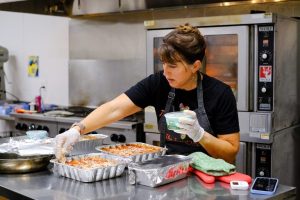
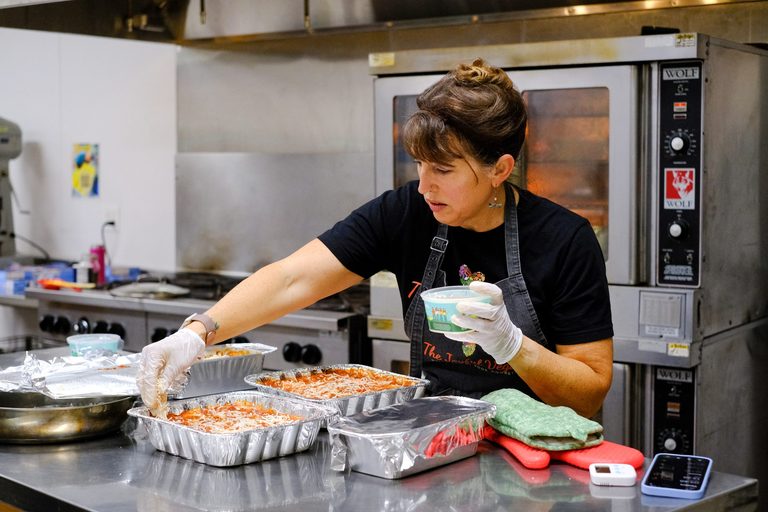
Every Monday at 7:30 a.m., Heather Landale dons her apron and heads to the Incubator Kitchen, a commissary run by employee‑owned Hummingbird Wholesale in Eugene. For $200 a month – roughly $20 an hour – she has the entire kitchen to herself for four hours, preparing, cooking, packaging and cooling ready‑to‑eat vegan meals that she delivers later that day. In late October she fulfilled 24 orders of her plant‑based lasagna, noting the ovens’ power and even using Siri to set a timer.
Why shared kitchens matter
Landale and her husband Stephen launched The Joyful Vegan in 2025 with a modest $1,000 investment. They credit the low startup cost to the commissary, saying they “would not be in business without a good commissary kitchen to rent.” By avoiding a private lease, they can break even and earn a modest profit while maintaining the flexibility to grow at their own pace.
Other Lane County producers benefit similarly. Bohemia Food Hub, a nonprofit kitchen in Cottage Grove, was founded by Kim Johnson after she struggled to find affordable space. Johnson purchased a modest building, built a 400‑square‑foot kitchen, and later expanded it to support other makers. Bohemia now operates a 5,000‑square‑foot facility, plans to host 60 tenants, and recently secured over $123,000 in federal grants to further develop its incubator.
Costs and bureaucracy
While shared kitchens slash rent and equipment expenses, entrepreneurs still face licensing fees. The Joyful Vegan pays about $900 annually in legal costs and must obtain permits for each event. Event permits can run $270 to $540 per day, prompting the Landales to limit their festival appearances until the economics improve.
Lane County’s mobile‑food license this year is $471, with neighboring counties charging between $370 and $770. Additional fees for plan reviews, liability insurance and food‑handler cards add to the financial picture.
Community impact
Commissaries serve a range of users, from food trucks needing dishwashing facilities to nonprofit kitchens preparing meals for medically vulnerable residents. The Incubator Kitchen currently hosts eight tenants, including Positive Community Kitchen, which prepares 300‑400 free meals weekly.
Demand for space is high; Incubator manager Kimmie Hunton reports turning away two to three potential renters each month due to limited storage and equipment. The tiered hourly pricing system helps predict revenue while keeping rates affordable for small operators.
Looking ahead
As Lane County’s mobile‑food scene expands, shared kitchens are emerging as essential infrastructure for budding entrepreneurs. By providing professional equipment, regulatory compliance support, and a collaborative environment, commissaries enable local food businesses to thrive without the heavy financial burden of a standalone kitchen.
Original reporting: Homepage – Lookout Eugene-Springfield — read the source article.