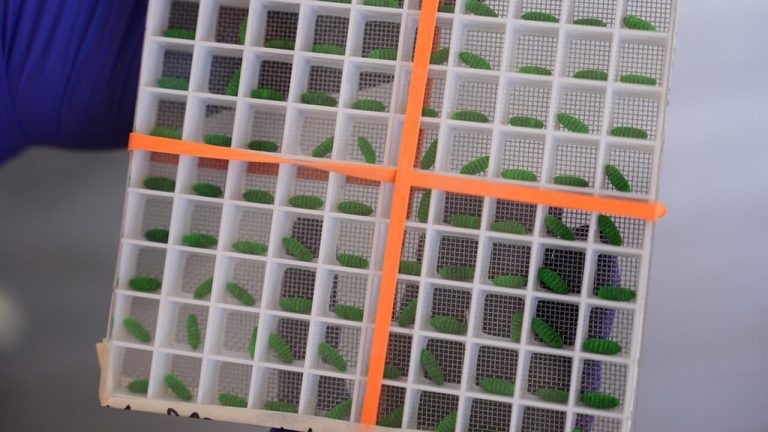
The U.S. Department of Agriculture (USDA) has confirmed two additional cases of the New World screwworm in Texas, a pest that poses a significant threat to the cattle industry. The new infections were found in a calf in La Salle County and a dog in Andrews County, marking the third and fourth confirmed cases in the state.
Impact on Local Agriculture
The screwworm, a fly whose larvae consume live flesh, was eradicated in the United States in the 1960s but has resurfaced, raising concerns among cattle ranchers. The pest’s reemergence could have devastating effects on livestock, wildlife, and even pets, as it targets any warm-blooded animal with open wounds.
Efforts to combat the screwworm have been ongoing since its detection in Mexico in late 2024. The USDA, alongside the U.S. cattle industry, is working to prevent a widespread infestation. This includes increasing the production of sterile male flies, a method that has proven effective in controlling the pest. These sterile males mate with wild females, which only mate once, preventing further reproduction.
Government and Industry Response
USDA Undersecretary Dudley Hoskins emphasized the urgency of addressing these cases while continuing to sample suspected instances. The USDA plans to boost sterile fly production in facilities outside the U.S. and is constructing a new fly factory in Texas to support these efforts.
USDA Secretary Brooke Rollins is scheduled to receive a briefing on the situation at the U.S. Livestock Insects Research Laboratory in Kerrville, Texas. This meeting underscores the federal commitment to eradicating the screwworm and protecting the nation’s cattle industry.
The return of the screwworm highlights the importance of vigilance and rapid response in safeguarding agricultural interests. The USDA’s proactive measures aim to prevent the pest from gaining a foothold in the U.S., ensuring the continued health and productivity of the cattle industry.
Original reporting: WTVQ (Lexington) — read the source article.