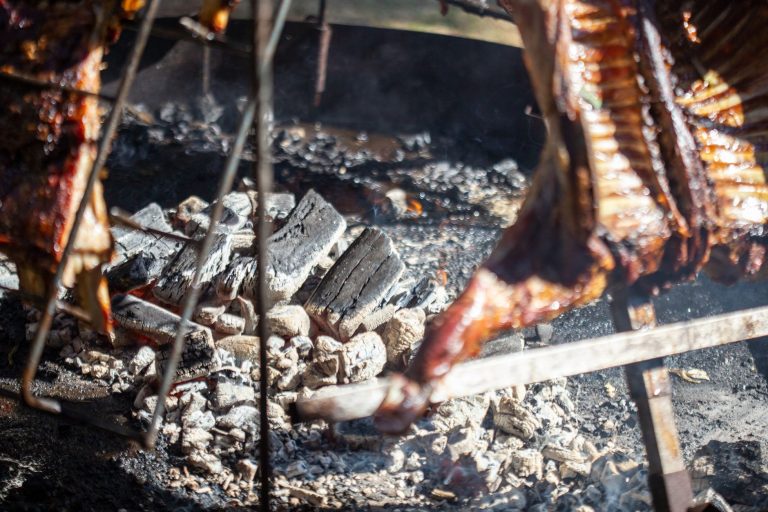
The polka band is already mid-set when the first bratwurst hits the grill at Headwaters Park, and the smell reaches the sidewalk before anyone crosses the bridge. That’s the opening image at Germanfest, Fort Wayne’s annual celebration of its deep German immigrant roots — and it sets the tone for everything that follows.
Fort Wayne has one of the more quietly significant German-American histories in the Midwest. German settlers arrived in large numbers through the mid-1800s, shaping the city’s architecture, its churches, its brewery culture, and whole neighborhood grids. Germanfest, held each summer on the grounds of Headwaters Park along the St. Marys River, is the most concentrated reckoning with that history the city puts on — though it rarely announces itself that way.
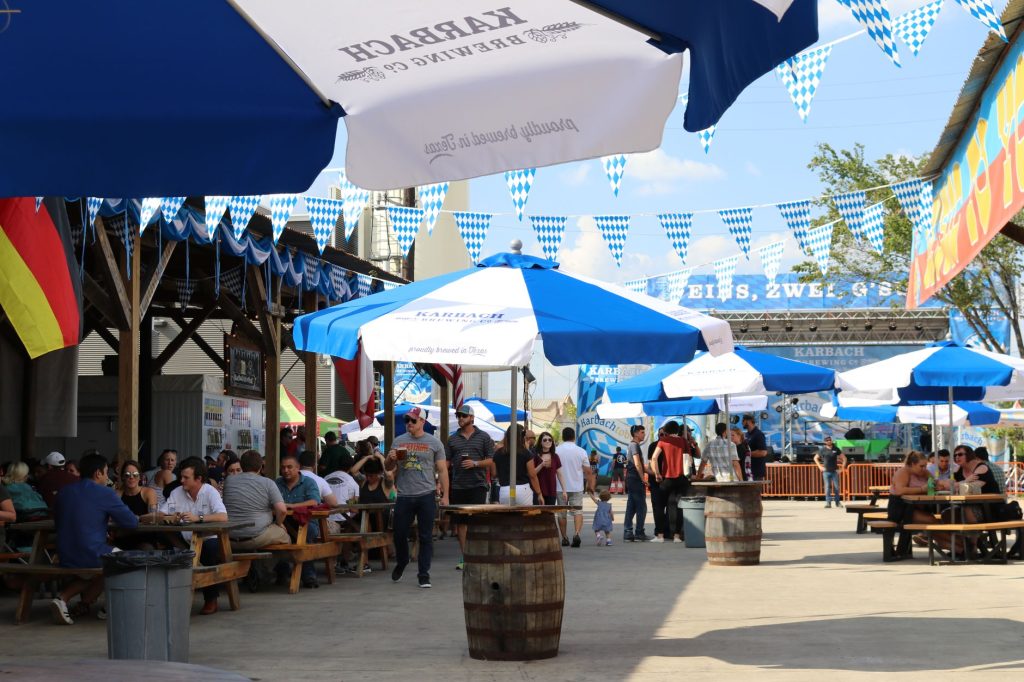
What a first-time visitor might expect: a sanitized heritage fair, the kind with folk costumes and pamphlets. What actually happens is messier and livelier. The beer flows freely — local vendors share tent space with imports, and by mid-afternoon the communal tables under the main pavilion are elbow-to-elbow with people who clearly come back every year. There are regulars with their own steins. The music rotates between traditional oompah, contemporary German pop, and the occasional cover band that slides in something entirely unrelated, which no one seems to mind.
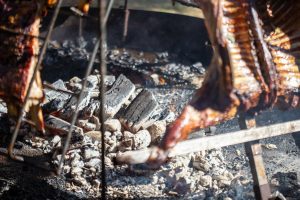
The food is the other reason to show up early. Schnitzel sandwiches, potato pancakes, käsespätzle, strudel — vendors line the perimeter and the lines move reasonably fast. Prices are festival-standard, running roughly $8–$14 for a full plate, which is fair for the volume and quality. The bratwurst are grilled on-site, not reheated, and that matters. The käsespätzle in particular — egg noodles, browned butter, caramelized onion, melted cheese — tends to sell out before Saturday afternoon, so the timing calculus is worth noting.
The event typically runs Friday evening through Sunday over a late-June or early-July weekend. Friday nights draw a younger crowd and tend to get loud. Sunday mornings are slower, more family-forward, and the lines are shorter. Admission has historically run around $5–$8 at the gate, with children admitted free or at a reduced rate — worth checking the current year’s details before arriving.
There’s also a pageant component, a 5K, and some cultural programming that varies by year — historical displays, dancing demonstrations, the occasional cooking workshop. These sit at the edges of the main festival grounds and tend to get overlooked in favor of the beer garden, but they’re worth wandering through if the lines are long elsewhere. Some of the historical material is genuinely detailed, tracing specific German neighborhoods in Fort Wayne that no longer exist by name.
The park setting helps. Headwaters Park has real riverside topography — it doesn’t feel like a parking lot with tents. The trees provide shade, the river provides ambient noise, and the layout encourages the kind of slow looping that makes a festival feel less like a transaction and more like an afternoon.
What Germanfest doesn’t do is overexplain itself. It doesn’t lecture. It’s not trying to be a museum. It’s a city eating and drinking and listening to music in a way that traces back through generations, without making a production of saying so.