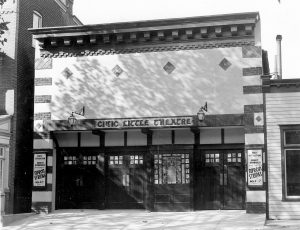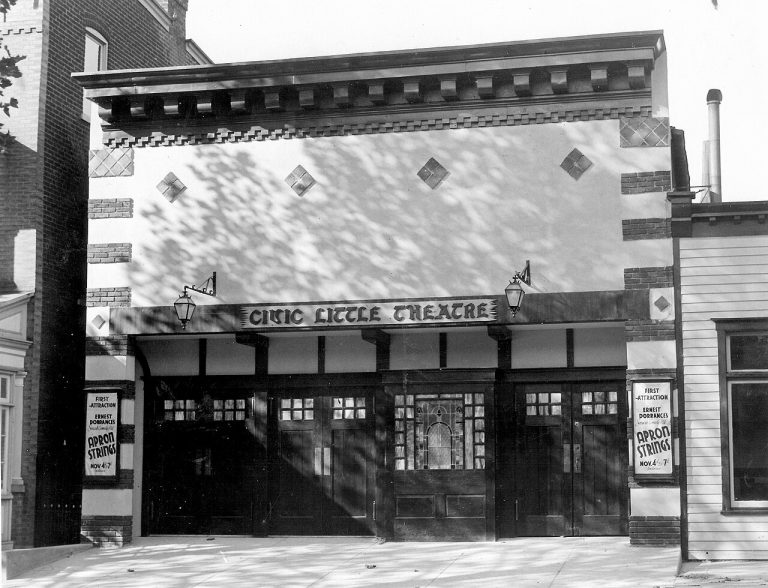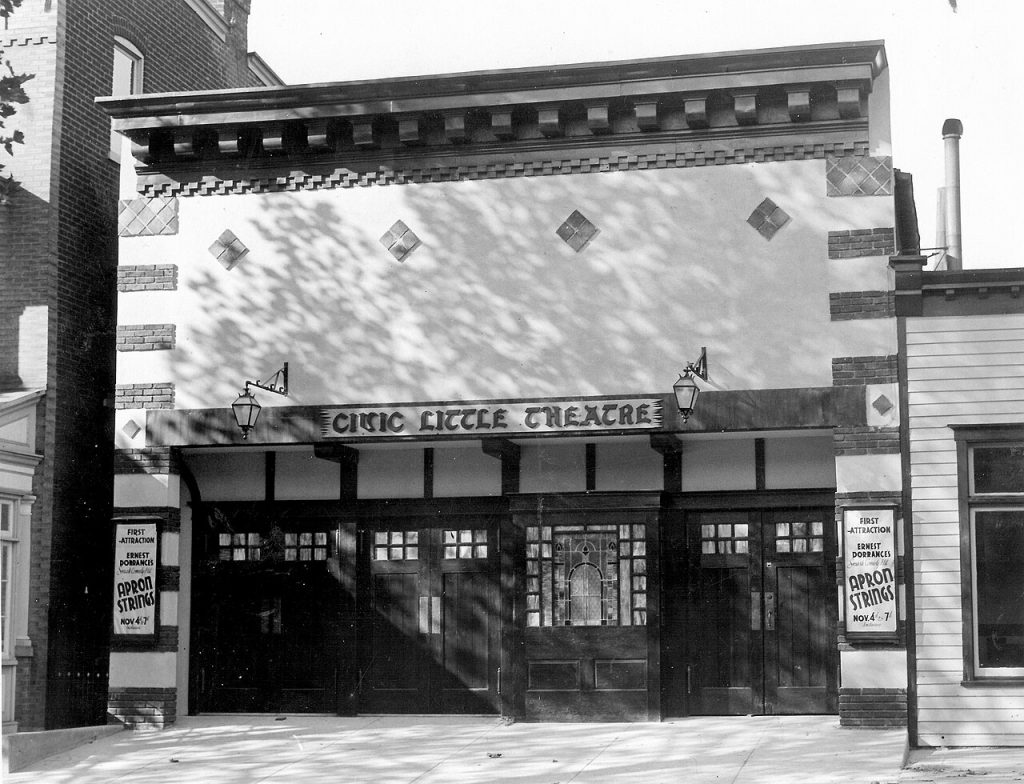
Tulsa Little Theatre has been staging productions continuously since 1922, making it one of the oldest community theaters in the country still operating in its original building. That detail tends to surprise people. The place doesn’t advertise its age aggressively — it just keeps putting on shows in a squat, cream-colored building off 15th Street in the Brookside-adjacent stretch of south Tulsa, season after season, decade after decade.
Walking in, you notice the lobby is tight and genuinely old — not retro-designed-to-feel-old, but actually worn in the way a building gets when thousands of people have passed through it since the Harding administration. The theater itself seats around 300, and the sightlines are good from nearly every row. The stage feels close. That proximity is part of the appeal: community theater at this scale is an intimate thing, and TLT leans into it rather than apologizing for the size.
The company runs six or seven productions a year across its main stage, usually a mix of musicals, comedies, and straight drama. They’re not chasing prestige pieces designed to impress grant committees — the programming tends toward crowd-pleasing choices that the ensemble can actually do well, and the technical production values (lighting, sound, set construction) are noticeably more polished than you might expect from a volunteer-driven operation. The cast skews heavily toward genuine community members: teachers, accountants, retirees, the occasional working actor who never left Tulsa. That mix gives performances an odd authenticity that slicker productions sometimes lack.
Tickets run $20–$30 for most productions, with discounts for seniors and students. The box office is old-school friendly — you can call and talk to a human being, which is not nothing. Parking along 15th is easy outside of peak dinner hours, and the theater sits close enough to the Brookside restaurant strip that you can build an evening around it without much effort.
If you’ve never been to a TLT show, the best entry point is usually one of their fall musicals or their December holiday production, which reliably sells out early and benefits from an audience in a generous mood. The spring and early-summer programming is often where the company takes a few more risks — smaller casts, less obvious titles — and those runs sometimes produce the most memorable work.
The theater also offers youth programs and adult acting classes throughout the year, which matters if you’ve got kids who’ve caught the stage bug or if you’ve always wanted to try it yourself. The community around TLT is long-standing and genuinely welcoming to newcomers; it’s not a closed scene.
What you get here is not a professional production, and TLT doesn’t pretend otherwise. What you get is Tulsa people telling stories to other Tulsa people in a building that has been doing exactly that for more than a century. On a good night — and there are plenty of those — that turns out to be more than enough.