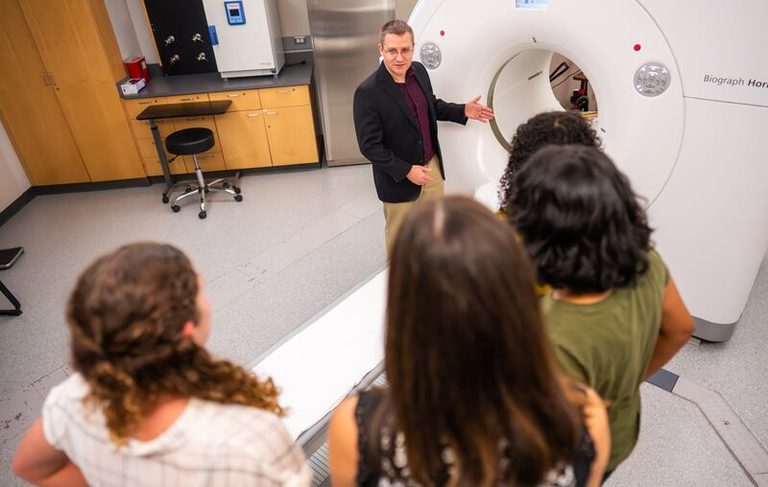
Madison, Wis. – In a breakthrough for local medical research, the U.S. Food and Drug Administration gave final approval in August to TAUKLARIFY, a brain‑imaging agent pioneered by scientists at the University of Wisconsin School of Medicine and Public Health. The approval follows more than 2,200 scans performed on 800‑900 volunteers and patients, a effort led by UW‑Health researchers.
Why the approval matters
TAUKLARIFY lets physicians visualize tau, a protein that accumulates in the brains of people with Alzheimer’s disease. Until now, definitive confirmation of Alzheimer’s required an autopsy to detect both tau and beta‑amyloid plaques. With this new tracer, doctors can detect tau buildup while patients are still alive, offering a clearer picture of disease progression.
Local experts weigh in
“For years we could only see the effects of Alzheimer’s after symptoms appeared,” said Dr. Nate Chin, medical director of the Wisconsin Alzheimer’s Disease Research Center and associate professor of medicine at UW. “Now, with amyloid and tau imaging, we can better understand what is happening in the brain while the disease is unfolding. That information can help us diagnose patients more accurately, determine where they are in the disease process and make more informed treatment decisions.”
Dr. Chin’s comments underscore the practical impact of the FDA’s decision for Wisconsin families facing the disease. Early detection can guide therapeutic choices, enrollment in clinical trials, and lifestyle adjustments that may slow cognitive decline.
Impact on the community
The approval positions Madison as a national hub for cutting‑edge Alzheimer’s research. UW‑Health plans to expand access to TAUKLARIFY scans at its facilities, giving local patients the same diagnostic tools available at major research centers across the country. The development also highlights the importance of federal‑state collaboration in bringing scientific advances from the lab to the clinic.
Beyond individual patients, the tracer supports ongoing research studies that aim to test new drugs and interventions. By providing a reliable way to measure tau levels, researchers can more quickly assess whether experimental treatments are affecting the underlying pathology of Alzheimer’s.
Looking ahead
While TAUKLARIFY represents a significant step forward, experts caution that it is one piece of a larger puzzle. Comprehensive care for Alzheimer’s still requires a combination of early detection, medication, supportive services, and family involvement. Nevertheless, the FDA’s endorsement of a UW‑developed tool reinforces the state’s reputation for medical innovation and offers hope to countless families across Wisconsin.
For more information about TAUKLARIFY and how to access the scan, patients can contact UW‑Health’s neurology department or speak with their primary care physician.
Original reporting: NBC15 WMTV (Gray) – local — read the source article.