Springfield, Mo. – As families gather for Thanksgiving, veterinarians are urging pet owners to keep holiday foods away from dogs and cats. Eating human leftovers can lead to upset stomachs, vomiting, diarrhea, and even more serious health problems for beloved companions.
Pet owners share cautionary stories
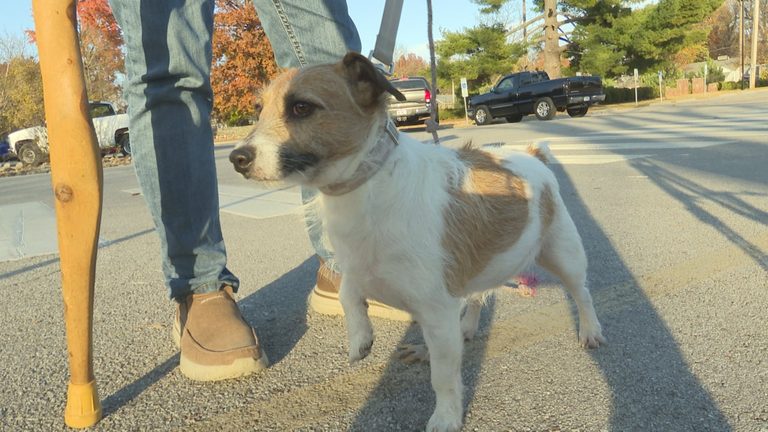
Clare Nixon, who has owned her dogs Maggie and Bob for years, says they have gotten into Thanksgiving food before. “It’s not good for them, and it’s not good for their behavior when there are other people around eating because then they think it’s normal and they start begging,” Nixon explained.
Similarly, Terry Cole recalled a Thanksgiving when his former dog Fonzie ate turkey and other trimmings and became violently ill. “He was throwing up for maybe a day. We were really concerned, so we stopped feeding him any Thanksgiving scraps, and we do the same with our current dog Lily,” Cole said.
Veterinarian advice on safe feeding
Dr. Philip Brown of Springfield’s Animal Care Center says small amounts of plain turkey or ham are generally safe, but the best practice is to avoid giving pets any human food. “Overeating rich foods can irritate the gastrointestinal lining, much like a person overeating at a restaurant,” Dr. Brown noted. “Some pets will vomit, others may develop diarrhea or colitis.”
If a pet vomits once or twice, Dr. Brown recommends withholding food and water for the rest of the day and offering ice cubes to settle the stomach. “If vomiting continues several times, a veterinarian should be consulted,” he advised.
Foods to keep completely away from pets
According to Dr. Brown, the following Thanksgiving items should never be given to dogs or cats: raisins, almonds, chocolate, sweet potatoes, turkey bones, and cooked pork bones. These foods can cause toxicity, gastrointestinal blockage, or pancreatitis.
Pet owners are encouraged to keep all holiday treats out of reach and to provide plenty of fresh water. If a pet shows signs of illness after the holiday, monitoring symptoms and contacting a veterinarian promptly can prevent complications.
Original reporting: KY3 Springfield (local) — read the source article.