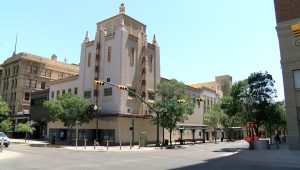
The parking lot off Nampa Boulevard gives nothing away. It’s a strip mall, same as a dozen others in this part of town, with a nail salon on one end and a tax prep office that’s only open four months a year. But Pacific Rim Asian Market occupies a solid chunk of that building, and once you’re inside, the strip mall context evaporates pretty quickly.
The store stocks a range of Southeast Asian, East Asian, and Pacific Islander groceries that you’re simply not going to find at the Walmart Supercenter two miles up the road. Rows of dried noodles in a dozen widths. Refrigerated cases with fresh tofu, fish cakes, and pork belly cuts sliced thicker than the American supermarket standard. Freezer sections holding everything from Japanese gyoza to Filipino lumpia to Vietnamese pork rolls. If you’ve been driving to Boise to get this stuff, you can probably stop.
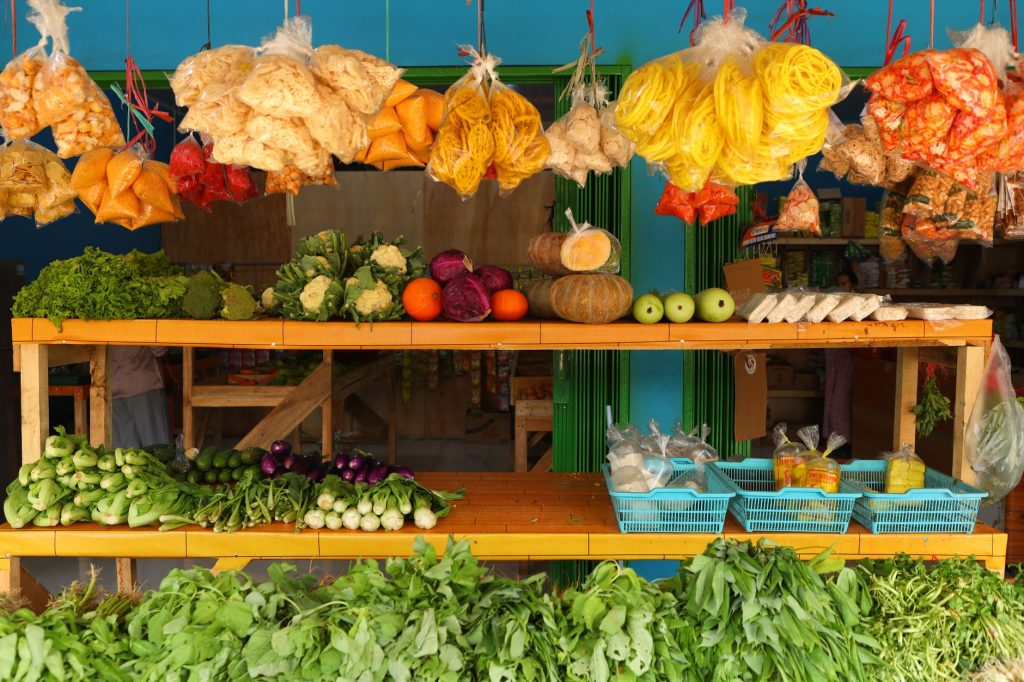
The produce section is small but functional — bitter melon, Thai chilies, daikon, lemongrass, and whatever else happens to be moving that week. It fluctuates. You might show up for taro and find they’re out, or stumble onto a bin of rambutan that wasn’t advertised anywhere. That’s just how it goes at an independent market this size, and most regulars seem to have made their peace with it.
What keeps people coming back isn’t any single product — it’s the aggregate. You can walk in needing fish sauce, sesame oil, Korean chili flakes, and a bag of jasmine rice, and walk out having spent maybe twenty dollars. The pricing is competitive, often noticeably cheaper than specialty aisles at conventional grocers. A large bottle of oyster sauce here runs about two bucks less than the same brand at Fred Meyer. That adds up if you cook this way regularly.
The staff tends to be helpful if you ask specific questions, less so if you wander around looking expectant. This isn’t a guided experience. Bring a list, read the labels, and if something is in a language you can’t parse, the packaging usually has enough visual context to make an educated guess. The regulars — many of them families from the local Filipino, Vietnamese, and Hmong communities — don’t seem to need much assistance, which is its own kind of endorsement.
There’s a small prepared foods section near the register. Hot, usually. The selection changes, but you might find pork siopao, sticky rice wrapped in banana leaves, or lumpia by the piece. Grab one if the sign says they’re fresh that day. They usually are.
No reservations, no Yelp Elite drama, no Instagram moment. This is a grocery store that serves a community that needed it, in a city where the Asian population has grown steadily over the past decade without a lot of corresponding retail. That gap doesn’t get filled by enthusiasm — it gets filled by places like this that just show up and stock the shelves.
Hours run roughly ten to seven most days, though it’s worth calling ahead on holidays. Cash is always reliable; card acceptance can be spotty at the register depending on the day. Budget ten to thirty dollars depending on what you need, and expect to find at least one thing you didn’t know you needed.