Mayor Zohran Mamdani of New York City has taken two major steps that could reshape public safety in the city. In the past week he announced the disbanding of the NYPD’s Strategic Response Group (SRG), a specialized unit created in 2015 to handle major emergencies, violent demonstrations and civil disorder. The mayor says the responsibilities will be transferred to a new “Community Dialogue and De-escalation Division,” a civilian‑led operation without weapons or arrest powers.
Impact on policing
Police Commissioner Jessica Tisch assures residents that public safety will not suffer despite the SRG’s removal. The SRG, which responded to roughly 6% of city protests, will see its 500 officers reassigned to other units. Critics argue that replacing a trained tactical team with a civilian unit may leave the city less prepared to manage large‑scale unrest.
Rikers Island closure plan
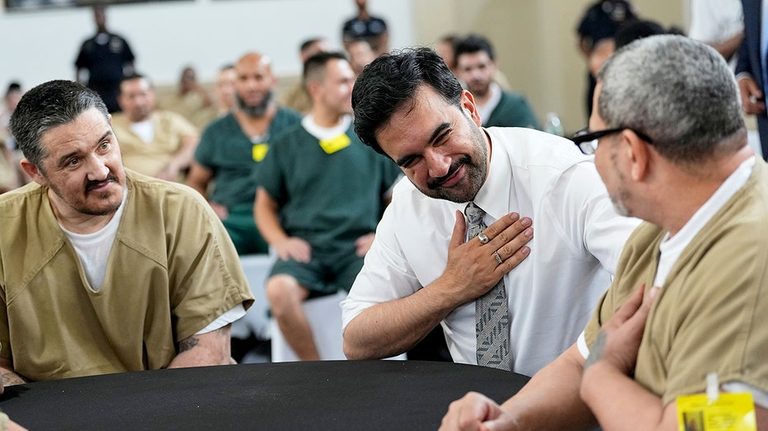
In addition, the mayor unveiled a plan to shutter the infamous Rikers Island jail complex by 2032. The proposal calls for four smaller borough facilities that would provide a total of 4,500 beds, including 340 specialized therapeutic beds. Current jail population stands at about 6,600 inmates, meaning the city would need to reduce its incarcerated population by more than 2,000, roughly one‑third, to fit the new capacity.
The administration suggests faster court proceedings, diversion programs and alternatives to detention as ways to achieve the reduction. Opponents warn that without sufficient jail space, released individuals could return to neighborhoods and public spaces, including the subway system.
Financial implications
New York City estimates the new jail facilities will cost at least $16 billion, double the original projection. Additional spending includes a program to pay families $500 per month to house relatives returning from jail, expanding from 50 to 300 families at an estimated $7.1 million annually. Critics note that these costs will likely be absorbed by taxpayers.
Broader concerns
City leaders have also reduced enforcement of quality‑of‑life offenses such as fare evasion, public drug use and shoplifting, citing a shift away from “broken‑windows” policing toward concerns about institutional bias. Residents worry that the combination of reduced police presence, fewer jail beds and lax enforcement could lead to higher crime rates and a decline in neighborhood safety.
While the mayor frames these moves as progressive reforms aimed at fairness and rehabilitation, many New Yorkers fear the practical consequences for public safety and municipal finances.
Original reporting: Fox News (HLL/CB) — read the source article.