Louisville officials announced Monday the launch of the Home for Good Prevention and Stabilization Pilot Program, a $450,000 initiative designed to intervene before families lose their homes. The city says the pilot will target households with young children and children with disabilities, covering costs such as rent, security deposits and utility bills that often create a barrier to stable housing.
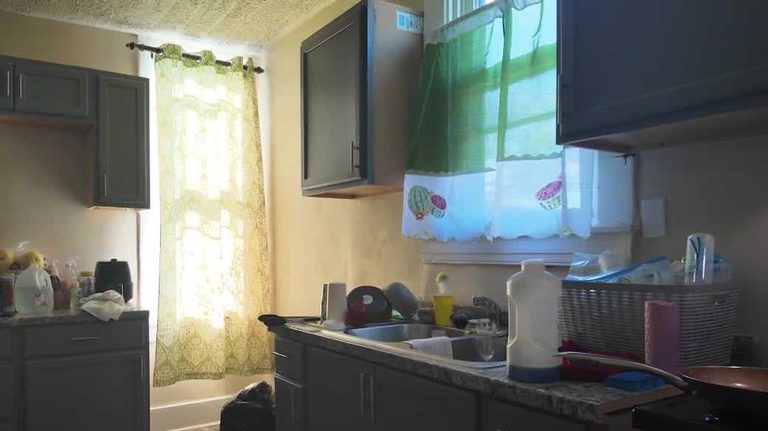
“We’re all one paycheck away from being out there on the streets,” said Dorothy Rackard, a resident who previously relied on the city’s Home for Good program after her family lost their home and spent months in an extended‑stay hotel. Rackard now lives in a three‑bedroom house with her daughter, a 7‑month‑old grandson named Kaizen, and continues to juggle transportation and food expenses. Her story illustrates the rapid slide many families can experience, a reality the pilot aims to prevent.
Clare Wallace, who is helping lead the effort, explained that the program’s goal is to “make sure that we can keep them housed” before a crisis escalates. “It’s extremely traumatic also for those young children, if they are displaced, if they have to move,” Wallace added, underscoring the emotional toll of housing instability on families.
The pilot will be administered in partnership with The Neighbor Network, a local nonprofit that works directly with at‑risk households. In addition to direct assistance, the city is opening the funding pool to other nonprofit organizations that serve vulnerable families, allowing them to apply for grants to help cover the same housing costs.
City officials say the program reflects Louisville’s broader commitment to community‑first solutions that protect families and preserve the stability of neighborhoods. By addressing financial barriers early, the city hopes to reduce the long‑term costs associated with homelessness, such as emergency shelter usage and health‑care expenses.
What’s next: The pilot will begin accepting applications from eligible families and nonprofit partners later this month. Officials plan to monitor outcomes and consider expanding the program if early results show a reduction in housing loss among participating households.
Sources: wlky.com