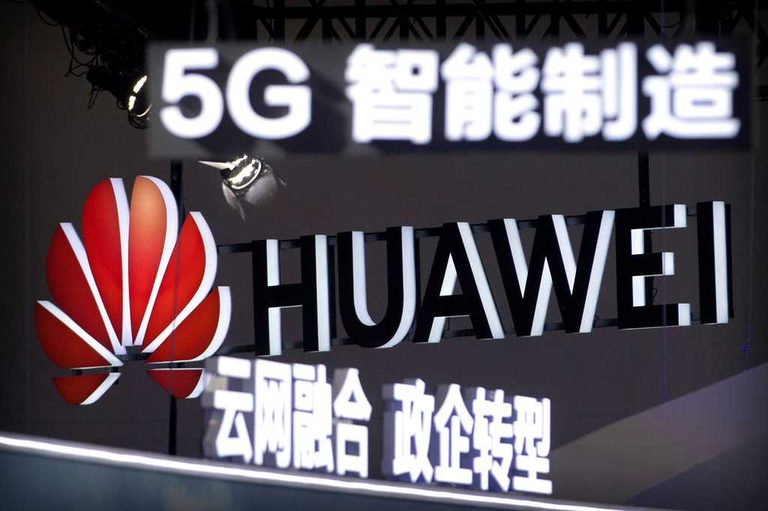
A federal jury in New York delivered a mixed verdict on Tuesday, convicting Huawei Technologies of conspiracy to steal trade secrets and bank fraud, while acquitting the company of the more serious racketeering conspiracy charge. The verdict underscores ongoing tensions between the United States and China over technology and national security.
Details of the Conviction
The jury found that Huawei engaged in a pattern of illicit activity aimed at appropriating proprietary technology from U.S. competitors. Prosecutors presented evidence that Huawei employees copied source code from Cisco Systems, photographed competitor equipment at a Chicago trade show, and even removed a robotic arm from a rival’s lab for analysis. Victims named in the case included Cisco Systems, Motorola Solutions, T‑Mobile, Quintel USA, and Fujitsu.
In addition to the trade secret theft, the jury concluded that Huawei participated in bank fraud by providing false statements to U.S. banks and officials to conceal its activities, including dealings in sanctioned countries such as Iran and North Korea.
Acquittal on Racketeering Charge
While the jury convicted Huawei on two counts, it rejected the racketeering conspiracy charge, a count typically reserved for organized‑crime cases. Huawei attorney Brian Heberlig hailed the acquittal as a vindication, stating, “That was the only count that brought all of the allegations together, and the jury rejected it,” adding that the verdict “repudiated the central government narrative in the case.”
Potential Penalties and Business Impact
Legal experts warn that the convictions could expose Huawei to billions of dollars in penalties. The company has been barred from selling equipment to U.S. carriers for years due to security concerns and remains on the U.S. Entity List, as well as being blacklisted by allies such as Canada and the United Kingdom.
Despite these setbacks, Huawei continues to expand its global footprint, selling smartphones and telecom gear worldwide and moving into chip manufacturing to support China’s artificial‑intelligence ambitions. The firm claims it has paid billions in licensing fees to U.S. companies, with roughly three‑quarters of that money flowing to U.S. firms.
Responses from Both Sides
Prosecutor Meredith Arfa emphasized that the conduct was directed from the top, accusing Huawei leaders of lying to Congress, banks, and violating sanctions. In contrast, Huawei’s defense argued that much of the alleged stolen material was already public and that the company has instituted a robust compliance culture, recalling routers and replacing them with Cisco equipment when issues arose.
Chinese officials dismissed the trial as “economic bullying,” accusing the United States of using national‑security concerns to suppress Chinese businesses.
Broader Context
The case unfolded against a backdrop of heightened U.S.–China rivalry, including a recent summit in Shenzhen that brought together President Donald Trump, President Xi Jinping, and President Vladimir Putin to discuss technology and security issues.
While the verdict represents a legal victory for U.S. authorities, the acquittal on the racketeering charge leaves open the possibility of further appeals and ongoing disputes over Huawei’s role in global telecommunications.
Original reporting: WPBF West Palm Beach — read the source article.