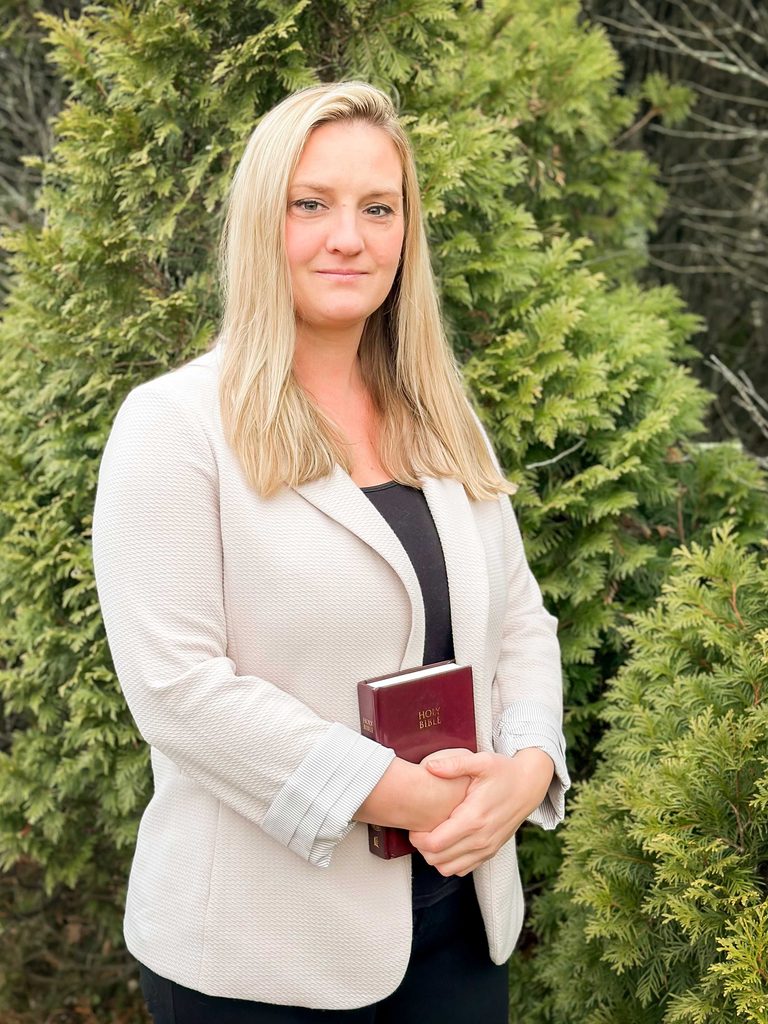
Emily Bickford, a resident of Maine, is appealing to the nation’s highest court after the Maine Supreme Judicial Court affirmed a lower‑court order that bars her from bringing her 13‑year‑old daughter to Calvary Chapel in Westbrook. The order, issued in December 2024, was originally imposed by a district judge who sided with the child’s father, Matthew Bradeen, asserting that certain biblical teachings could be psychologically harmful to the minor.
Legal background and recent rulings
The custody dispute began when Bickford challenged the December 2024 decree that restricted her from taking the child to any religious organization without the father’s consent. While the order permits both parents to discuss involvement with other faith groups, it grants Bradeen sole authority over decisions related to Calvary Chapel. In November 2025, the case was argued before the Maine Supreme Judicial Court, which in September 2026 upheld the district court’s decision.
Liberty Counsel, a national religious‑freedom advocacy group, filed a petition for certiorari with the U.S. Supreme Court on Bickford’s behalf. The organization argues that the Maine court ignored its own precedent requiring proof of an “immediate and substantial threat” before limiting a parent’s right to practice religion with a child. Liberty Counsel contends that the state’s ruling undermines longstanding Supreme Court decisions such as Wisconsin v. Yoder, Troxel v. Granville, and others that protect parental rights and religious liberty.
Arguments from Liberty Counsel
Attorney Mat Staver, representing Bickford, told the petition that the Maine decision “strips a fit parent of her right to direct her child’s religious upbringing and vests a co‑parent with veto power, deploying the coercive authority of the State to extinguish a fundamental right.” He emphasized that the ruling could set a precedent allowing courts to suppress religious expression in parent‑child relationships without meeting the highest level of judicial scrutiny.
Liberty Counsel also points out that the Maine Supreme Judicial Court characterized older precedents as “non‑binding,” a move the group says is inconsistent with the Court’s own jurisprudence that affords heightened protection to parental religious rights.
Potential impact and next steps
If the U.S. Supreme Court agrees to hear the case, it could provide a definitive answer on the balance between state‑court custody decisions and the constitutional rights of parents to share their Christian faith with their children. The petition notes that the decision could affect not only Bickford and her daughter but also families across the nation facing similar custody disputes.
The Supreme Court has not yet indicated when it might decide whether to grant review. In the meantime, Bickford remains unable to take her daughter to Calvary Chapel, and the case continues to draw attention from religious‑freedom advocates and family‑law practitioners alike.
Original reporting: Oklahoma City News Feed (HLL/CB) — read the source article.