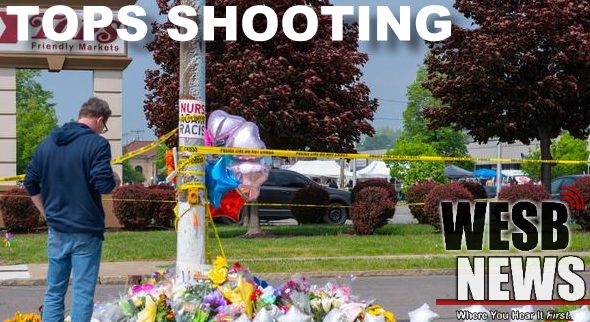
The New York State Supreme Court of Appeals issued a split decision on Monday, concluding that social‑media companies are not legally liable for the tragic mass shooting that occurred at a Buffalo TOPS in 2022. The 4‑3 ruling held that the shooting was not a “natural and foreseeable consequence” of how the platforms’ websites are designed.
Background of the lawsuits
Surviving victims and family members of those killed filed multiple civil suits alleging that the defendants – several major social‑media firms – helped radicalize the shooter, Payton Gendron, by using algorithms that promoted racist, violent, and antisemitic content. Plaintiffs argued that these algorithmic recommendations contributed directly to Gendron’s extremist mindset and ultimately to the deadly attack.
Court’s reasoning
The appellate judges examined whether the platforms’ design and content‑distribution mechanisms could be considered a direct cause of the violence. In its opinion, the court determined that while the algorithms do surface extremist material, the step from exposure to the commission of a mass shooting is too indirect to impose liability. The majority emphasized that the platforms are not state actors and that imposing such responsibility would raise significant First Amendment concerns.
dissenting view
Three judges dissented, contending that the evidence presented showed a clear pattern of algorithmic amplification of extremist content that contributed to Gendron’s radicalization. The dissent argued that the platforms should bear some responsibility for the foreseeable harms caused by their recommendation systems.
Implications for future cases
The decision sets a precedent for how courts may treat claims against technology companies in the wake of violent incidents. Legal experts note that the ruling underscores the difficulty of establishing a direct causal link between online content and real‑world violence, especially when constitutional free‑speech protections are at stake.
Advocates for stricter regulation of social‑media algorithms say the case highlights the need for legislative action rather than reliance on the courts. They point to the growing number of incidents where extremist content has been amplified online and call for clearer standards to protect the public while preserving constitutional rights.
For now, the plaintiffs will need to explore other legal avenues if they wish to pursue accountability, as the appellate court’s decision narrows the path for holding platforms civilly liable for the actions of individual users.
Original reporting: WESB (Bradford) — read the source article.