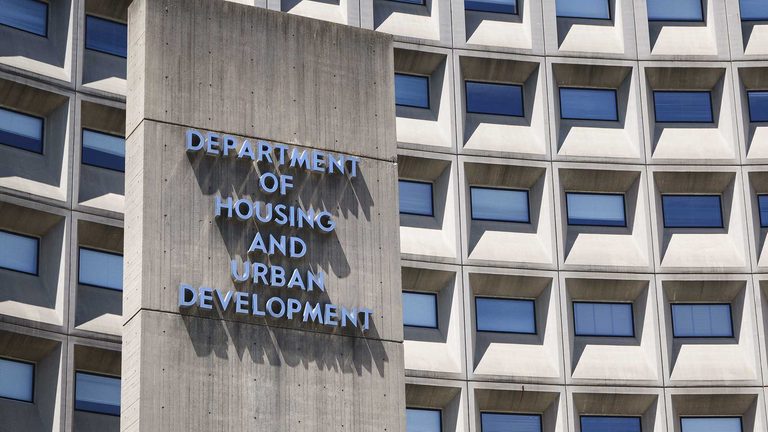
In a coordinated legal effort, twenty‑one states joined by Pennsylvania Governor Josh Shapiro have sued the U.S. Department of Housing and Urban Development (HUD). The lawsuit challenges a rule that would deny federal housing assistance to any household where at least one member lacks eligible citizenship or immigration status.
States argue the rule threatens families
State officials contend the rule could split families or evict U.S. citizens from public housing. California Attorney General Rob Bonta warned, “No child should lose their home over a parent’s immigration status.” He illustrated the impact by describing a scenario in which a mother and two U.S. citizen children would lose their home because the father is ineligible.
Bonta estimates that one in five children in California lives in a mixed‑status family and that the rule could affect roughly 7,000 households in the state alone. Similar concerns are echoed by officials in New York, Arizona, Massachusetts and other participating states.
HUD defends the rule as a safeguard for taxpayers
HUD Secretary Scott Turner defended the regulation, stating it fully implements the 1980 Housing and Community Development Act and ends what he called “the exploitation of taxpayer dollars.” The administration argues the rule ensures that only American citizens and certain eligible noncitizens reside in HUD‑funded housing, redirecting up to $218 million to eligible Americans on waiting lists.
Turner’s office also noted that an audit conducted earlier this year with the Department of Homeland Security identified about 20,000 mixed‑status households receiving federal housing assistance nationwide. HUD maintains that the rule closes loopholes that allow ineligible individuals to access benefits while the nation struggles to meet housing demand.
Legal and practical implications
If upheld, the rule would require public housing authorities and private landlords to verify citizenship or eligible immigration status for all applicants and to report any failures to the Department of Homeland Security. Critics argue this could turn housing providers into de‑facto immigration enforcement agents, a function they say Congress never authorized.
The rule is slated to take effect on December 14. The lawsuit seeks a preliminary injunction to halt enforcement while the courts consider the merits of the states’ claims.
Broader context
The challenge arrives amid ongoing debates over immigration policy at the federal level. While the Trump administration has pursued a range of measures aimed at tightening eligibility for public benefits, supporters argue these steps protect limited resources for American citizens and law‑abiding residents.
Legal analysts note that the outcome could set a precedent for how federal agencies balance anti‑fraud safeguards with the needs of mixed‑status families, a demographic that includes many U.S. citizen children.
Original reporting: WTAE (Hearst) – local — read the source article.