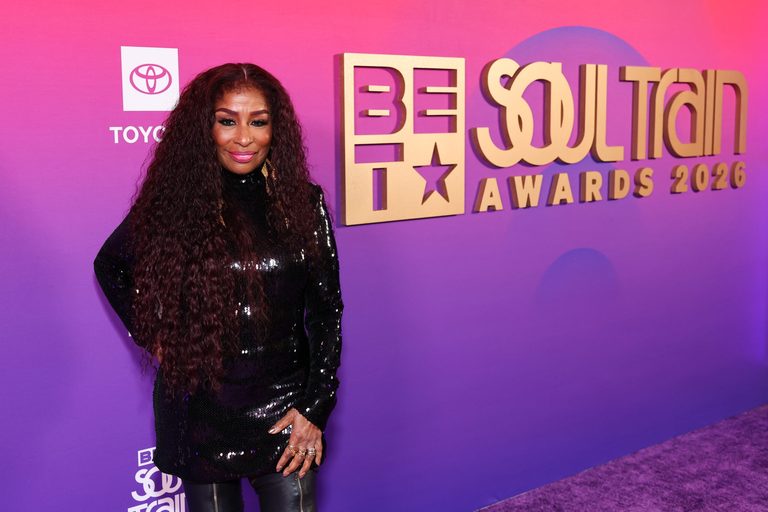
Chicago welcomed the Soul Train Awards back to its hometown on Nov. 5, marking the first time the ceremony was held in the city where the iconic show began. The private event took place at the Harris Theater for Music and Dance and will be broadcast Friday night on BET, CBS, BET Her, VH1, MTV2 and LOGO.
Historic roots and local pride
Before becoming a nationally syndicated television program, Soul Train was a local Chicago production. In the early 1970s, teenagers lined up outside the Chicago Board of Trade building on Jackson Boulevard for a chance to dance on the show, which premiered on WCIU‑TV on Aug. 17, 1970. Its creator, Don Cornelius, grew up in Bronzeville, attended DuSable High School and cut his teeth as a disc jockey at WVON radio, experiences that helped shape a program that would bring Black music into households across the country.
Mayor Brandon Johnson praised the event, saying, “It was a way to see all these superstars come together and be celebrated in the city of Chicago. Before the term ‘Black excellence’ was coined, there was Don Cornelius.” He added that Chicago’s “beauty and glory” have been created by artists such as Herbie Hancock, Donny Hathaway, Curtis Mayfield and Chaka Khan.
A night of honors
Chicago native Chaka Khan received the Classic Soul Honor, while emerging artists Durand Bernarr and Elmiene were also among the honorees. BET President Louis Carr, himself a Chicago native, called the ceremony a “full‑circle moment,” noting that bringing the awards back to the city recognizes the place that helped shape the franchise.
The ceremony also featured comedian and actor Anthony Anderson, best known for his role on ABC’s Black‑ish, as host. Viewers will see the broadcast at 7 p.m. Friday across multiple networks and streaming platforms, with fan voting on Spotify and a social‑media dance challenge integrated into the show.
From local show to cultural institution
After its Chicago debut, Soul Train moved to Los Angeles in 1971 and ran for 35 years, reflecting the evolving sounds of Black music—from 1970s soul, funk and disco to the R&B and hip‑hop that defined the 1990s and early 2000s. Each episode opened with a train rolling down the tracks, inviting viewers aboard the “hippest trip in America.” Cornelius closed each show with his signature sign‑off: “We’re going to wish you love, peace and soul.”
Washington‑based author Ericka Blount Danois, whose book Love, Peace and Soul documents the show’s history, said, “The young people in Chicago were the heart of soul. They came out to the Board of Trade Building to dance, have fun, showcase their talents and meet their favorite artists. There would not be ‘Soul Train’ without them.”
Fashion, dance and community impact
Fashion was as integral to Soul Train as the music, with the famous “Soul Train line” turning the studio into a runway where dancers displayed bell‑bottoms, afros, braids and vibrant dresses. Danois recalled how the show was “appointment television” for families, noting that her older sister would dress up for favorite artists like Michael Jackson, even though he could not see her through the screen.
Local residents and cultural historians view the awards’ return as a long‑overdue recognition of Chicago’s contributions to Black music and culture. “Chicago deserves all the flowers and love, peace and soul,” Danois said.
The ceremony’s return follows a two‑year pause by BET, during which the network reimagined the franchise for digital and streaming platforms. This year’s rollout includes a first‑time CBS simulcast, in‑app fan voting on Spotify and a social‑media dance challenge, signaling a modern approach to a beloved tradition.
Original reporting: Block Club Chicago — read the source article.