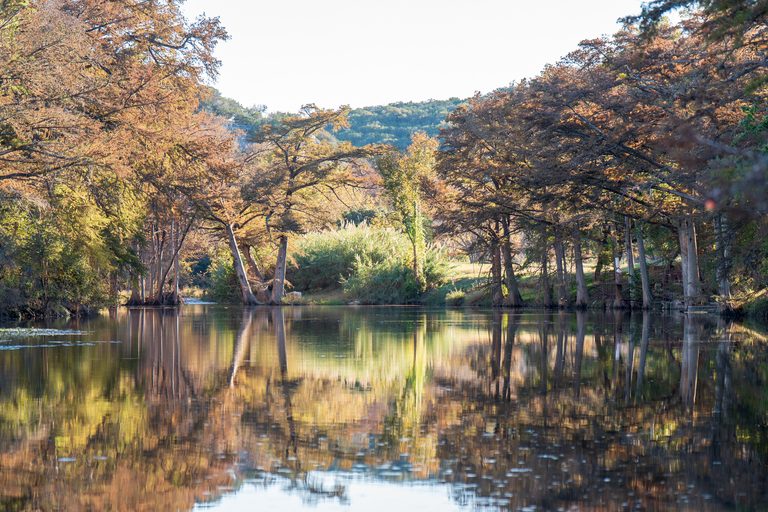
KERRVILLE, Texas – Along the Guadalupe River in Kerr County, the once‑towering cypress trees that defined the landscape were ripped from the earth by the July 4, 2025 flood. In the months since, volunteers, state agencies and the San Antonio Botanical Garden have begun a concerted effort to re‑seed the river corridor with native cypress saplings.
Local volunteers lead the planting
Under the guidance of Erin Davis, program coordinator for Texas Resilient Landscapes at the Texas A&M Forest Service, volunteers planted the first batch of spindly, one‑to‑two‑foot‑tall seedlings this month. The goal is to establish 50,000 trees over the next two years, using seeds collected from local cypress stands that survived the flood.
“Will the river recover? Yes,” Davis said. “But we have an important role to play in directing how that restoration proceeds.” The seedlings were raised in nurseries across the state, where they were exposed to periodic water, wind and nutrient stress to make them more resilient to future drought and deer browsing.
Protecting a cultural and ecological heritage
Cypress trees are more than a scenic backdrop; they are woven into Kerr County’s identity. Early settlers harvested their wood for shingles, and generations of families have gathered under their arches for recreation, worship and reflection. Artist Carol Arnold recalls the trees as “a foundation for us all,” noting their spiritual and emotional significance to the community.
Ecologically, the trees provide shade that cools the river, stabilize banks with their deep roots, and create habitat for insects, birds and mammals. Their loss contributed to increased erosion and reduced water quality after the flood.
Collaboration across agencies
The project brings together the Texas A&M Forest Service, the Texas Parks and Wildlife Department, the Riverside Nature Center and the San Antonio Botanical Garden. Ryan McGillicuddy, watershed and conservation team leader for Texas Parks and Wildlife, described the effort as a shared grieving process that also offers hope.
“Just as nature must go through steps to heal, we are walking that path together,” McGillicuddy said.
Challenges ahead
Only about one‑third of the collected seeds have germinated, and the young trees will face threats from hungry deer, future droughts and invasive species that often colonize disturbed riverbanks. Nevertheless, organizers are confident that a concerted planting effort will give native cypress a competitive edge.
“We’re not just planting trees; we’re rebuilding a resilient ecosystem that supports our economy and way of life,” said Jeremy Walther, owner of a local brewery and founder of the Kerr County River Foundation.
Looking forward
While the river will continue to heal naturally, the planting initiative is intended to jump‑start regrowth and protect the banks from further erosion. Community members are encouraged to join future planting days, sort seeds and help monitor the saplings as they mature.
“It’s an assault on what we’ve grown up with,” said Mindy Wendele, president and CEO of the Kerrville Area Chamber of Commerce. “Seeing these seedlings gives us hope that the river’s iconic cypress will once again stand tall for generations to come.”
Original reporting: Texas Tribune (HLL/CB) — read the source article.