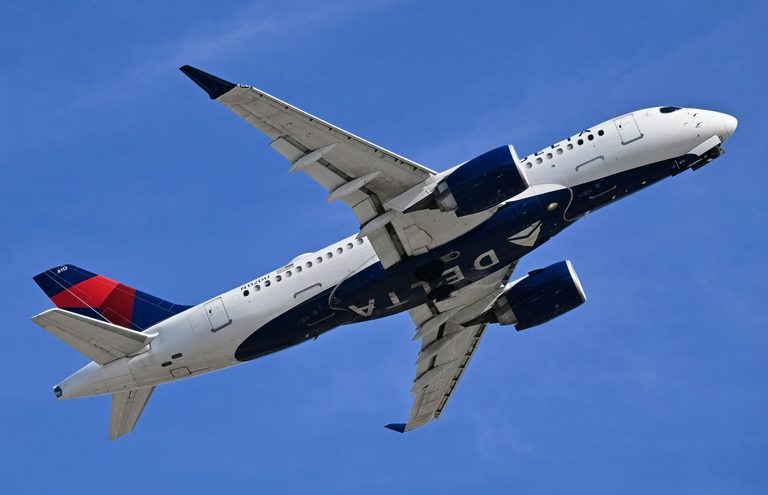
Travelers on a Delta flight from Phoenix to Atlanta faced a night‑long delay after the airline’s automated weight‑and‑balance system failed. The airline’s crew worked manually to restore the system, eventually boarding the plane around 6 p.m. and arriving in Atlanta close to midnight.
What caused the outage?
Delta officials said the problem was not the result of a cyber‑attack, but the incident illustrates how a single technical glitch can halt modern travel. The issue mirrors the so‑called “Arkansas router syndrome,” a nickname for a malfunctioning Federal Aviation Administration router in El Dorado, Arkansas, that previously grounded flights nationwide.
Why it matters to Americans
Such disruptions fuel public anxiety, especially as the nation approaches the holiday travel season. Experts warn that aging infrastructure, combined with the rapid integration of artificial‑intelligence tools, could make similar outages more common. They caution that malicious actors—from lone hackers to hostile governments—might exploit these vulnerabilities, potentially affecting not only airlines but also banks and government services.
Looking ahead
While Delta’s staff managed to get the flight back on schedule, the episode highlights the need for robust, resilient systems. Policymakers are urged to prioritize upgrades to critical infrastructure and to consider safeguards against AI‑related threats. As the country prepares for Thanksgiving travel, many are advised to plan ahead, keep essential supplies on hand, and stay informed about airline updates.
Original reporting: SaportaReport — read the source article.